We are the Center for MedTech Innovation (formerly known as the Center for Advancing System Science and Bioengineering Innovation). Though we have a newly chartered name, we have that same mission: to build and advance medical technologies into the real world through human-centered and community-engaged methodologies. Follow our journey as we listen to the lived experiences of real people and co-create solutions.
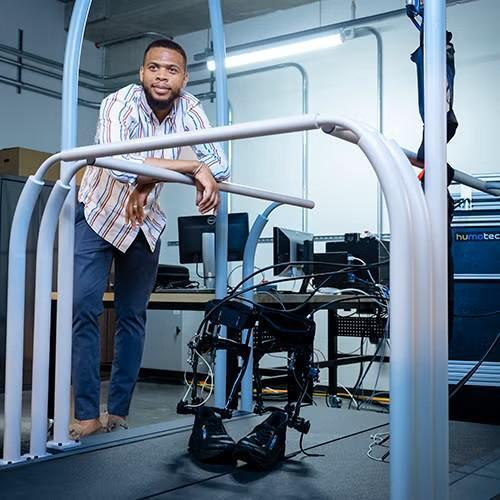
Dr. Quentin Sanders, Assistant Professor in the Department of Bioengineering, is developing an affordable, wearable hand exoskeleton designed to help stroke survivors regain hand function and independence. The lightweight device amplifies a user’s remaining muscle activity, helping them perform everyday tasks that many take for granted after a stroke.
This innovative work also includes collaboration with Dr. Siddhartha Sikdar, Professor of Bioengineering and Director of the Center for MedTech Innovation, to explore wearable ultrasound technology that can detect muscle activity and translate it into movement assistance.
At Mason Bioengineering, we are proud to support research that combines innovation, accessibility, and real-world impact to improve quality of life for patients and their families.
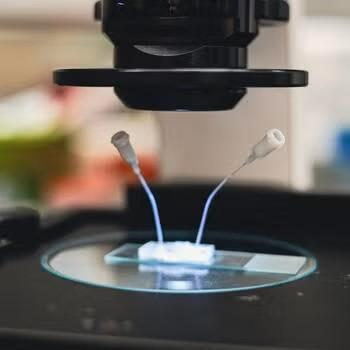
“The project combines the expertise of College of Science Professor Ramin M. Hakami‘s group in extracellular vesicle (EV) biology, and that of College of Engineering and Computing Associate Professor Remi Veneziano‘s group in bioengineering and materials characterization, at George Mason University with Phase’s vision to create an end-to-end, automated microfluidic platform that brings together custom device design, scalable 3D-printed polydimethylsiloxane (PDMS) chip manufacturing, and automated fluid handling. Specifically, this project leverages the microfluidic EV platform jointly developed and published by the Veneziano and Hakami groups.
By pairing George Mason’s biological and engineering strengths with Phase’s manufacturing platform, the project is positioned to advance both scientific discovery and commercialization. The result could be a more reliable path for producing the microfluidic tools needed to support the next wave of biomedical research, organ-on-a-chip development, and human-centered bio-innovation.”
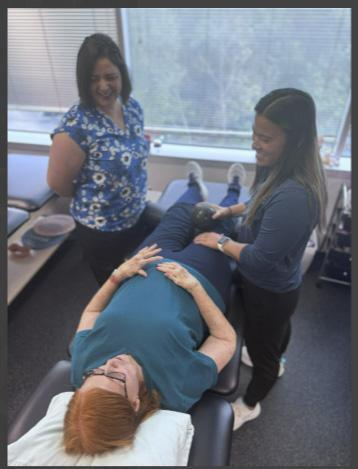
Recruiting and retaining participants remains one of the greatest challenges in clinical research. Even the most promising studies depend on sustained engagement to generate meaningful, reliable results. CMI’s NIH-funded study on chronic knee pain is no exception, as we work to better understand how chronic pain affects daily life and patient experiences.
To address these challenges, our team is taking an innovative approach: integrating research directly into a high-volume physical therapy clinic. Through a long-standing collaboration led by Dr. Siddhartha Sikdar and Dr. Secili DeStefano, Optimal Motion, a busy Herndon-based physical therapy practice, now serves as both a clinical care setting and a research environment.
By seamlessly incorporating research activities into patients’ care journeys, the team has streamlined recruitment and follow-up processes while minimizing disruptions to clinic operations. Patients benefit from comprehensive evaluations that complement their therapy plans, creating a research experience that is both accessible and meaningful.
Although the study was not originally designed to evaluate clinic-based research infrastructure, the partnership has generated valuable insights into creating research-friendly clinical environments. Early successes suggest this model may enhance participant recruitment, improve retention, and help bridge the gap between clinical care and research discovery.
This collaborative effort demonstrates how innovative partnerships can bring research closer to the people it aims to serve—advancing both scientific discovery and patient-centered care.
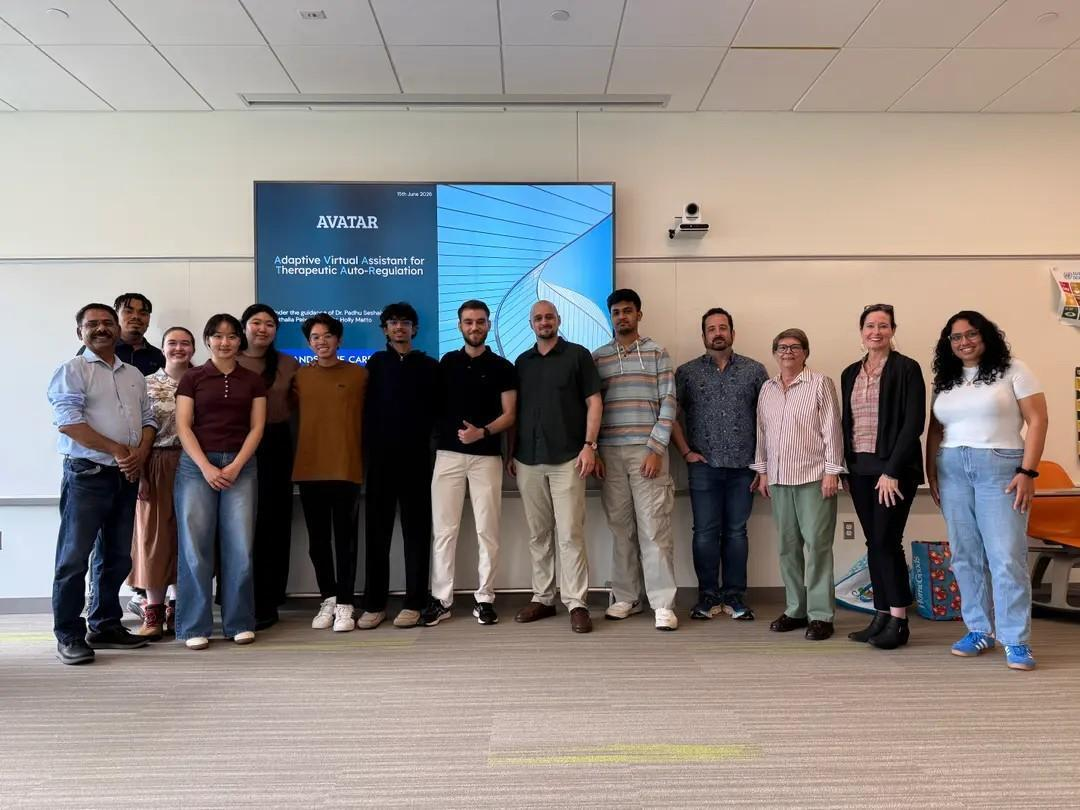
Holly Matto (College of Public Health), Nathalia Peixoto (College of Engineering and Computing) and Padhu Seshaiyer (College of Science) co-led a GMU OSCAR funded STIP program with 9 undergrads this summer (10-week program). The students worked on a project titled AVATAR: Adaptive Virtual Assistant for Therapeutic Auto-Regulation. Building on the U.S. Patent Application 20190320964: Systems and Methods for Biobehavioral-Regulation Treatments, the goal of the AVATAR project was to develop a prototype digital therapeutic system that delivers just-in-time intervention when individuals experience heightened relapse risk.
Three high fidelity prototypes (MVP) have been designed and developed as a part of AVATAR including a mobile App, a Wearable and a VR intervention that coordinate with each other to realize AVATAR. The proposed system will use biobehavioral inputs to detect high-risk emotional states and deploy personalized recovery cues. It also enables users to modulate a brain-structure image to support real-time emotional regulation.
We invite you to a poster presentation at the celebration organized by OSCAR on July 31, 2026, from 12:30pm – 3:30pm at Dewberry Hall.

The 2026–2027 CEHD Seed Grant supports expansion of George Mason University’s Balance for Wellness program, an interdisciplinary, intergenerational community-academic partnership focused on older adult mobility, fall prevention, and healthy aging. The award will support Spanish-speaking and additional student wage employees to expand community-based health assessments to Spanish-speaking older adults in Northern Virginia and strengthen the program’s reach among underserved populations. Congratulations, Tiphanie Raffegeau and team!
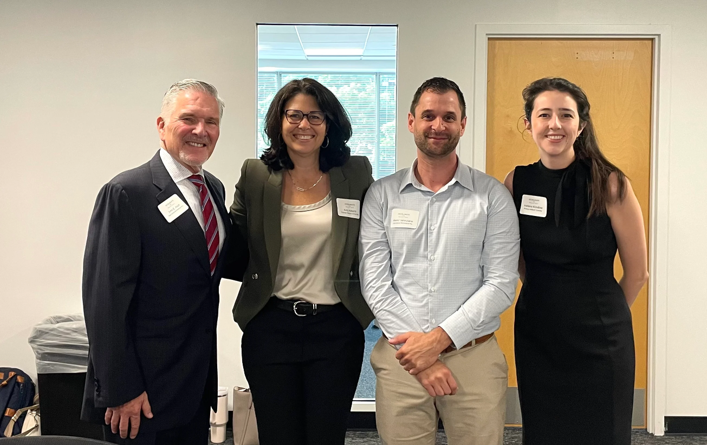
“NanOptical Biomedical Inc., a biotechnology company working on next-generation contrast agents for photoacoustic imaging, has started operations at the Endeavor incubator in Innovation Park, Manassas. The company will manufacture SonoVanta™, a patent-pending contrast agent that improves the precision of cancer margin imaging, supporting more accurate biopsies and tumor removal.
SonoVanta™ originated from research conducted at George Mason University and will be commercially available in the fall of 2026 as an advanced tool for cell, tissue, and organ imaging, with applications across numerous areas of biomedical research and development. The company will seek FDA approval to expand the technology’s use in surgical oncology, with the goal of optimizing visualization of breast tumor margins during cancer procedures.”
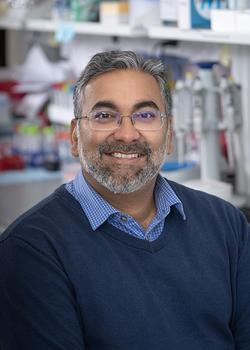
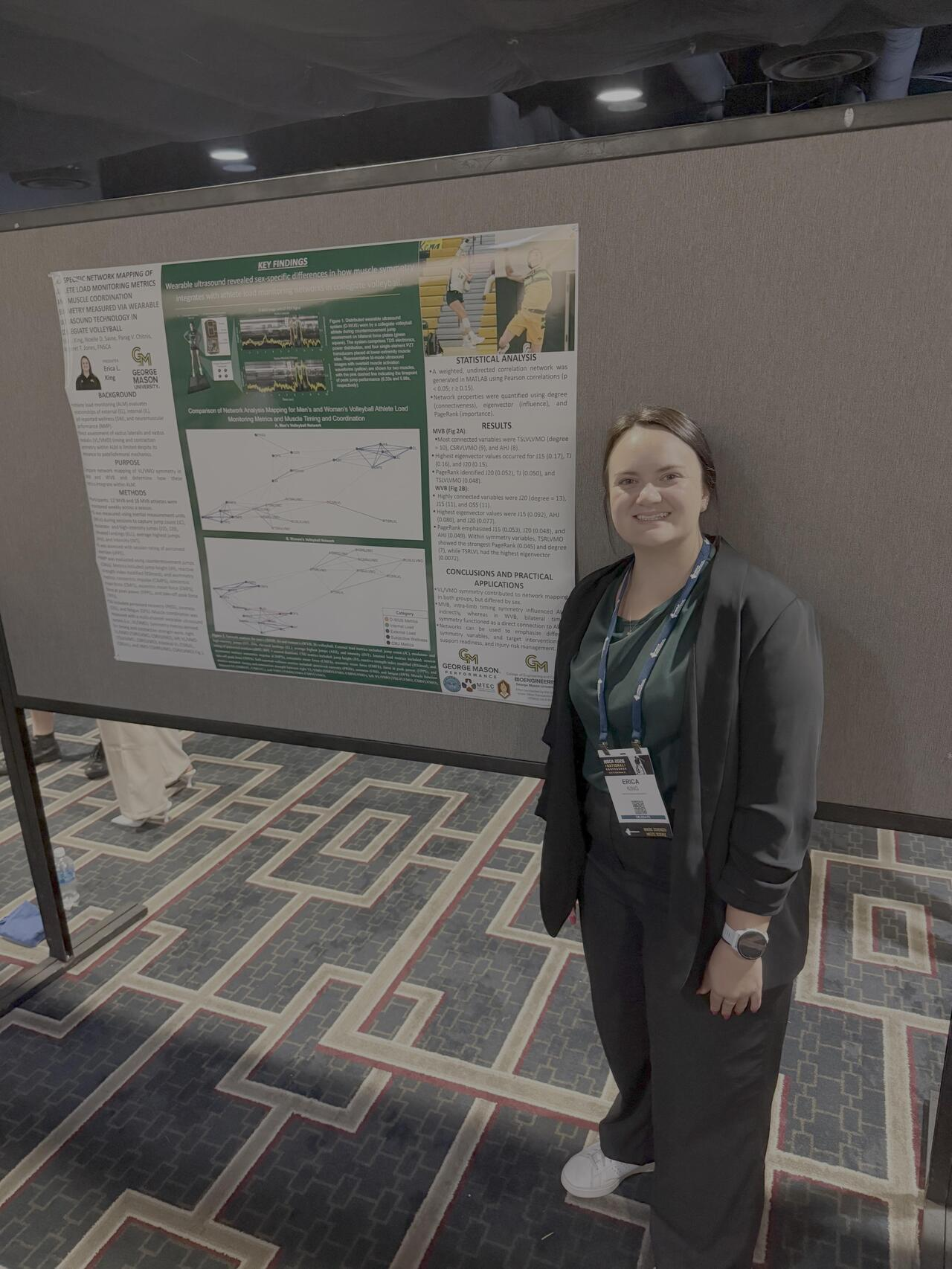
It was a busy and rewarding summer of travel and recognition for Dr. Erica King, Postdoctoral Research Fellow in GMU’s Applied Biosensing Lab and Patriot Performance Lab.
Erica traveled to Poland for IEEE CEEUS, where she gave an oral presentation and demonstrated ABL’s wearable ultrasound device, followed by a trip to Dresden to showcase the technology to international collaborators. Two weeks later at NSCA in New Orleans, Erica presented two posters on using wearable ultrasound for athlete load monitoring.

She then traveled to Vancouver for the World Congress of Biomechanics (WCB), where she delivered two oral presentations and was named a finalist in the Technology Translation Pitch Competition. Adding to the recognition, her abstract, “Multi-Site Wearable Ultrasound for Tracking Neuromuscular Adaptation in ACL Rehabilitation: A Pilot Study,” was selected among the top WCB abstracts for publication in a Clinical Biomechanics Special Issue.
Next week she heads to Orlando, FL for MHSRS (Military Health System Research Symposium), where she’ll present two more podium presentations on the use of wearable ultrasound for rehabilitation and injury monitoring for military applications.

As a center that brings together expertise from across disciplines, we believe some of our best ideas emerge through conversation and shared learning. To create more opportunities for connection, we are launching CMI Coffee Hour, a weekly gathering where members can learn about each other’s work, exchange perspectives, and explore new areas of innovation.
Each week will feature a different topic and highlight the research, projects, and expertise of our CMI community. Join us for our first Coffee Hour on September 7 from 4:00 to 5:00 p.m., and then every Monday throughout the semester.
In-person only. Location TBD.