As we come to the close of the Fall 2025 semester, we want to take a moment to celebrate an exciting and productive end to the year at our center. Happy Holidays to our community! This newsletter highlights just a few of the accomplishments, milestones, and moments that made this semester one to be proud of.
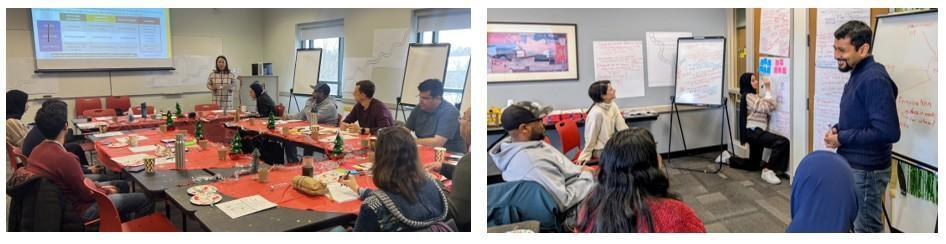
This past Monday, our center hosted our inaugural Design Sprint! The event was full of excitement as we welcomed students, faculty, friends, alumni, and past trainees to a festive planning day that embodied true holiday spirit. We had intentional time taking a blast to the past to mark successes, challenges, and gaps in our processes and programming, then catapulted to the future to design a blueprint of the infrastructure we wanted to continue to build off of.
Our center is in a pivotal moment as we recently finished a 5-year NSF grant that allowed us to host a multidisciplinary traineeship program that brought together students from social work, psychology, computer science, bioengineering, kinesiology, health informatics, information technology, and more, to engage in community-based participatory research and work with community organizations to come alongside them in resolving challenges they actively experience.
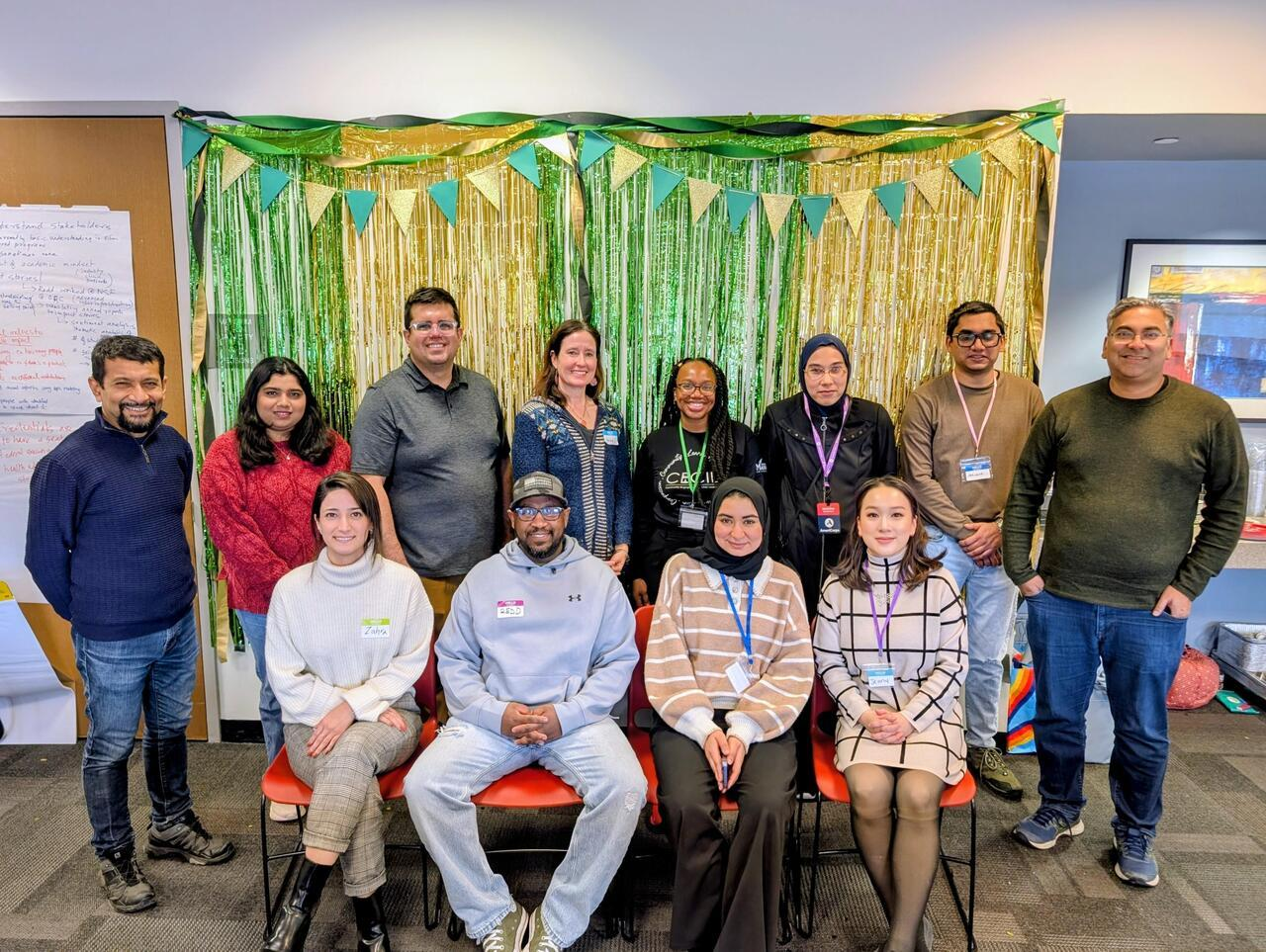
Our design sprint focused on three specific areas where we wanted to understand our true impact and where to continue to grow: community engagement, research impact, and workforce development for students. One attendee reminded us that the work we are doing must continue: as an alum with a PhD in Health Services Research, this attendee worked at the National Science Foundation, applying the community engagement components he learned through our NRT traineeship to develop data-driven impact stories that made complex research accessible to diverse audiences. The day reminded us that our strength lies in our commitment to building sustainable partnerships, engaging in community-centered research, and preparing students for the workforce. We will take this renewed energy and clarity in our work to continue moving forward and translating our efforts into real-world impact.
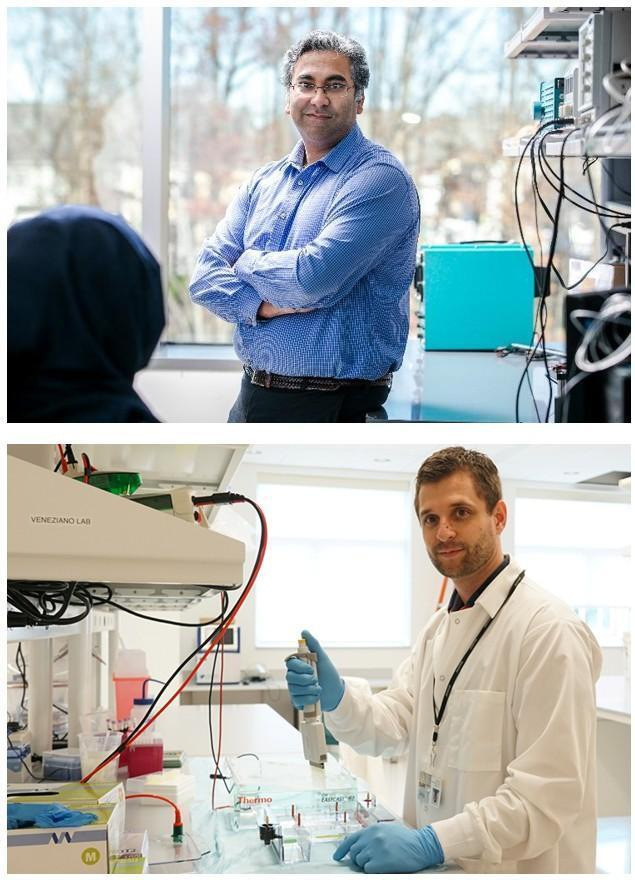
Remi Veneziano and Parag Chitnis have been awarded a $200,000 Tier 2 grant from the Virginia Innovation Partnership Corporation (VIPC) Commonwealth Commercialization Fund (CCF). Their research focuses on improving photoacoustic imaging, a cutting-edge medical technology that uses light and sound to create detailed images of blood vessels and tumors deep inside the body. To make this technology safer and more practical for clinical use, they are developing unique nanomaterials made from FDA-approved dyes. This funding will support further research and development, paving the way for commercialization and eventual use in hospitals and clinics.

Autism genetics research has the capacity to improve the quality of life of autistic community members, but research priorities vary widely across stakeholders. We summarize key points from our discussion series on autism genetics, highlighting diverse perspectives. Working together, we aim to encourage healthy engagement in autism genetics research.
There have been varying levels of discourse on the value of different scientific discoveries to different autism communities, including those with direct lived experience and those who may be part of the community but not have an autism diagnosis themselves. Even within the autistic researcher community, there is a diversity of viewpoints on the importance of different avenues of scientific research. This includes not just the research itself, but how it is prioritized, presented and the use of that information. Typically, these discussions have been acrimonious, occurring on social media or presented at scientific meetings as a one-sided approach.
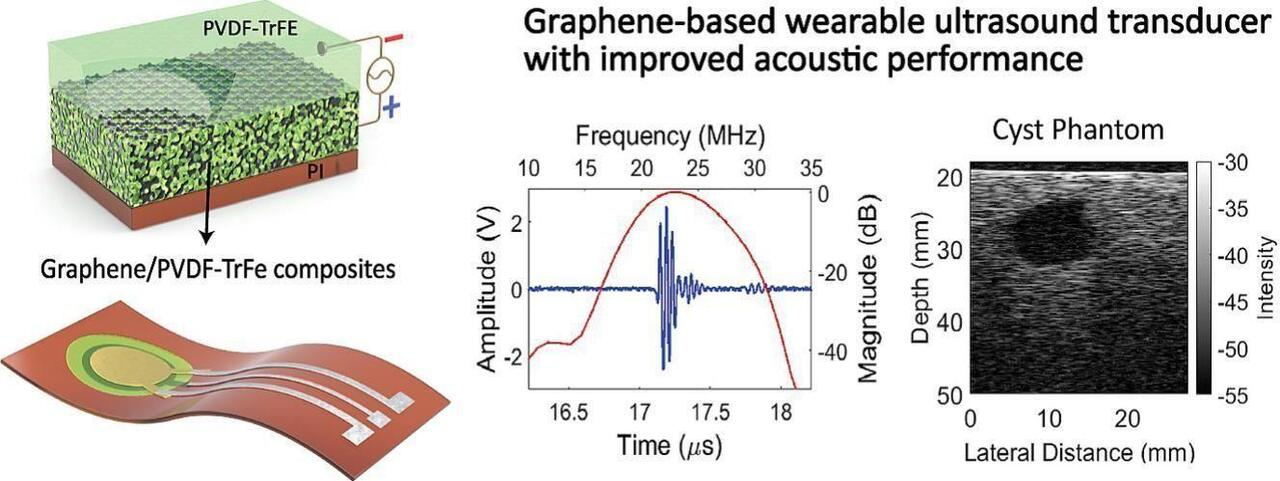
In this work, collaborators in the Biomedical Imaging Lab demonstrate that piezopolymer materials can be 3D-printed onto laser-induced porous graphene electrodes on flexible substrates, enabling the creation of wearable ultrasound imaging patches. This approach opens the door to lightweight, conformal, and low-cost ultrasonic devices for continuous health monitoring.
Huge congratulations to Shirin Movaghgharnezhad, Ph.D. for leading this effort to a successful outcome, and many thanks to Pilgyu Kang for his invaluable collaboration.
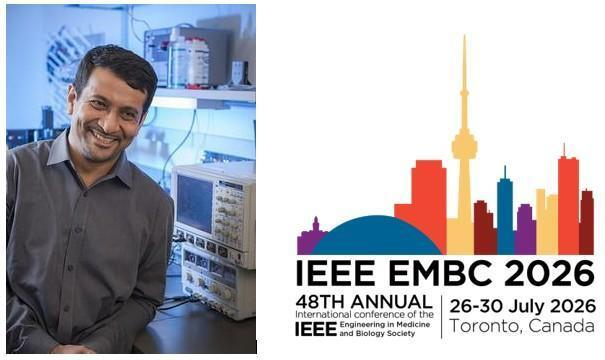
The Annual International Conference of the IEEE Engineering in Medicine and Biology Society (EMBC 2026) will be held in Canada from 26–30 July 2026. As the world’s leading forum for biomedical engineering and healthcare innovation, the conference will convene researchers, clinicians, academics, and industry leaders to exchange knowledge, present pioneering research, and foster collaborations. EMBC 2026 will provide an outstanding platform to explore the latest advances in engineering in medicine and biology, shaping the future of healthcare worldwide.
This year’s theme is Engineer Sustainable and Equitable Healthcare.
Dear friends and colleagues,
As we look back at an eventful year, we wanted to thank all of you for your contributions and celebrate your successes. This was a pivotal year for our center. We started the year with a new charter and are ending it with a rebranding as the Center for MedTech Innovation.
We had many successes as a center, including several new and exciting projects that got underway, new collaborations that were initiated and many new publications and other research products that were created. Our students won several awards, and some graduated and are taking on new challenges. This year we expanded upon our commitment to community engagement and worked closely with three community advisory panels, composed of individuals living with chronic pain, limb loss and developmental disabilities to frame meaningful and impactful research questions.
We formed a new advisory board for our center who have been providing us invaluable guidance as we chart our path forward. We also forged a closer-knit community within our center through our kickoff strategic planning, annual retreat, design sprint and a couple of celebratory get togethers.
We have a very exciting year ahead of us, where we will try to leverage the universities’ grand challenges initiative to propel our center forward, and continue creating impact through innovative research, translation and developing our future leaders. We hope you have a wonderful and restful holiday break with friends and family.
Happy Holidays and Happy New Year!