Center for MedTech Innovation

June 2026

We are the Center for MedTech Innovation (formerly known as the Center for Advancing System Science and Bioengineering Innovation). Though we have a newly chartered name, we have that same mission: to build and advance medical technologies into the real world through human-centered and community-engaged methodologies. Follow our journey as we listen to the lived experiences of real people and co-create solutions.
Exciting CMI Activities
CMI’s Annual Summer Retreat
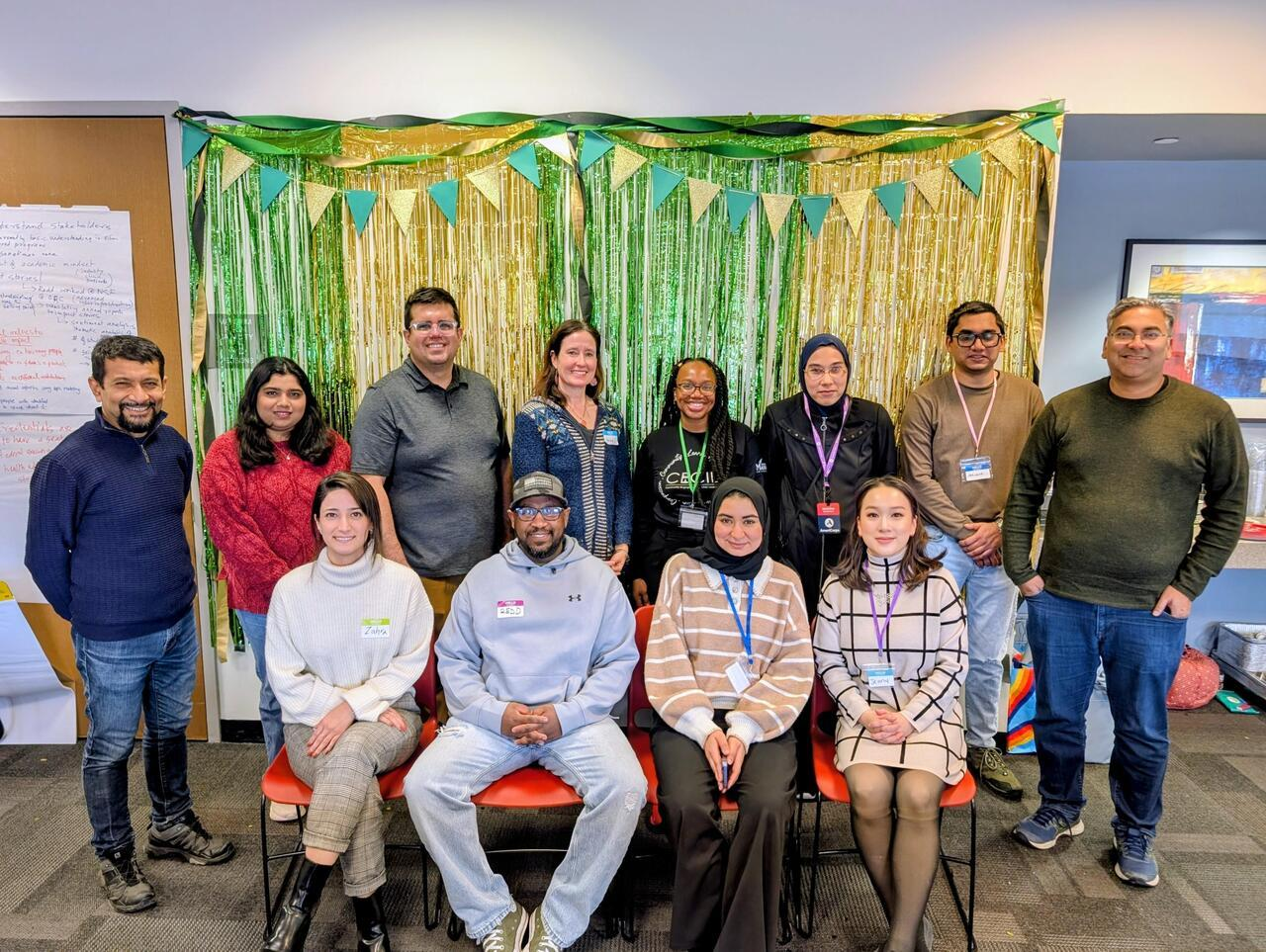
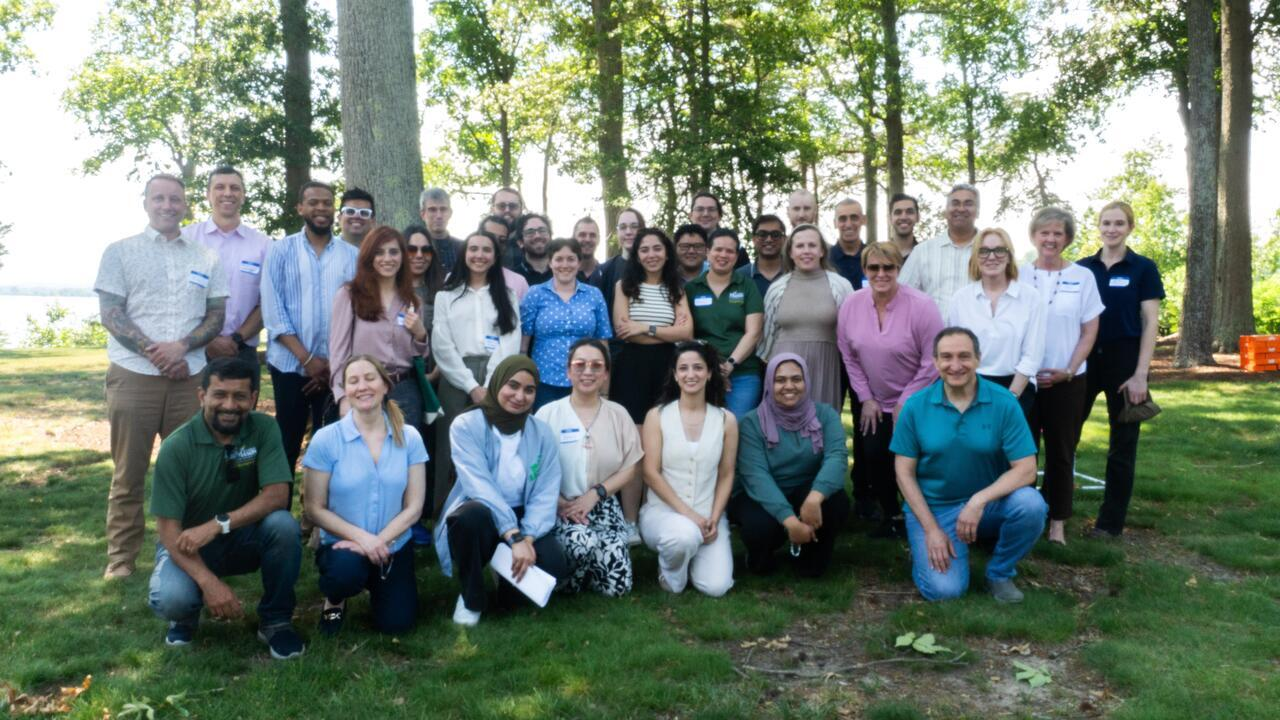
CMI Summer Retreat Group Photo

The CMI Summer Retreat, held on May 20, 2026, brought together nearly 50 faculty, trainees, staff, and advisory board members for a day of interdisciplinary exchange and community-centered science. A panel on the patient-scientist model featured a patient advocate Anna-Lena Thomas alongside a postdoctoral researcher Susannah Engdahl presenting her NIH-funded F32 prosthetics project, as well as with Jenny Phan, Assistant Director of Community Engagement at CMI, and a session on participatory and community-engaged research explored opportunities for high-impact science aligned with community priorities.

The retreat’s poster session showcased the breadth of trainee scholarship across CMI’s research themes, with the CMI Advisory Board lending their expertise as judges — recognizing Madinah Azizi and John Hummel with both the Best Student Poster Award and the People’s Choice Award for their work on nanoconstructs for targeted photothermal therapy in breast cancer, and Surbhi Singla with the Best Student Poster Award for her research on carbon nanotube channeling for proton minibeam dose modulation in cancer treatment. Congratulations to all awardees, and thank you to everyone who made this year’s retreat a success.
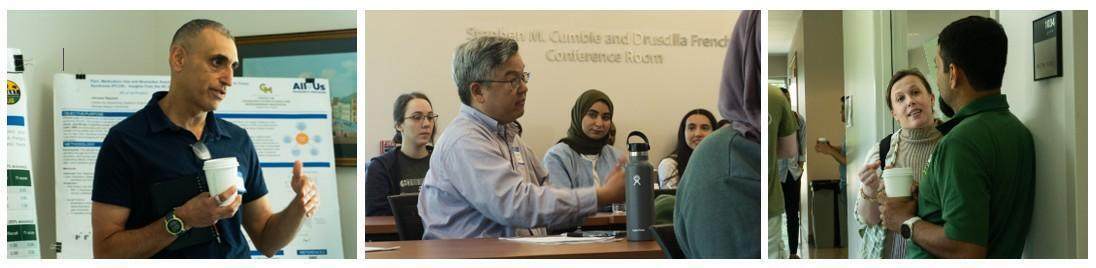
Retreat Discussions
AVATAR chosen as one of 5 OSCAR Summer Team Impact Projects
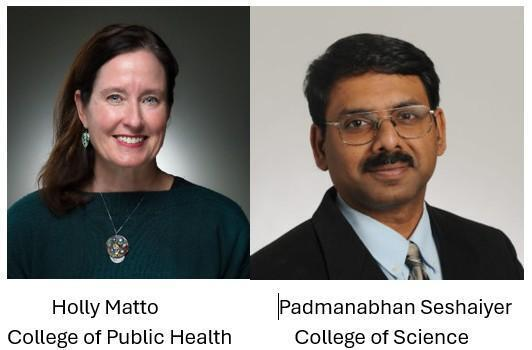
Holly Matto and Padmanabhan Seshaiyer

Summer Team Impact Projects tackle global questions and challenges within all three focus areas of Mason impact. Faculty present a question to a team of undergraduate students who work throughout the summer to create a solution and then present their findings, their action plan, or their prototype to the George Mason community.

AVATAR (Adaptive Virtual Assistant for Therapeutic Auto-Regulation) helps with relapse prevention for behavioral and mental health conditions, including substance-use disorders, depression, and PTSD. It remains a persistent public-health challenge. Existing interventions are often reactive rather than adaptive, offering limited support during moments of emotional vulnerability. Building on U.S. Patent Application 20190320964: Systems and Methods for Biobehavioral-Regulation Treatments, this project develops a prototype digital-therapeutic system that integrates mobile and virtual-reality (VR) platforms with mathematical modeling to deliver real-time, personalized interventions.
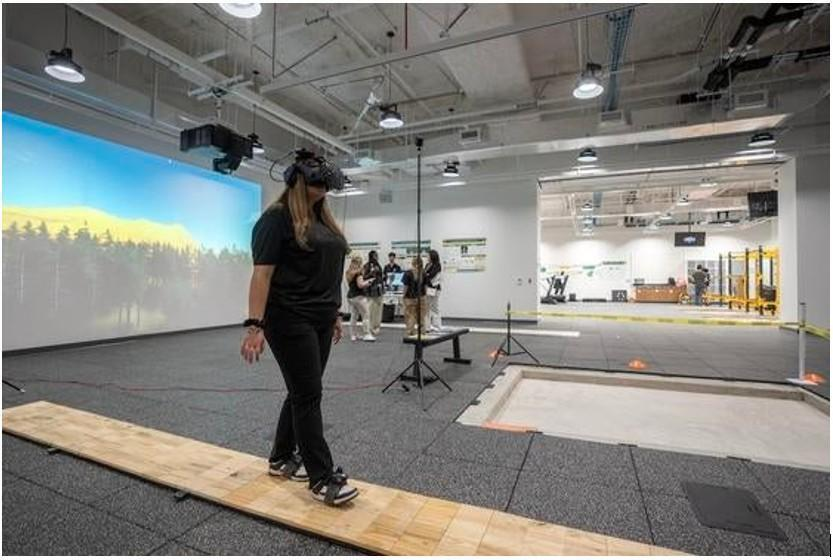
Tiphanie Raffegeau featured in “Kinesiology Today” for her research on using virtual reality to help prevent falls and injuries
VR Fall Prevention Research

“As virtual reality becomes increasingly popular in the gaming and entertainment worlds, kinesiologists too are looking for ways that it might be helpful in helping people to move in safer and healthier ways. A recent example comes from a cross-disciplinary team at George Mason University that is in the early stages of figuring how to deploy virtual reality as an intervention to help older adults be less prone to falling in the real world.”

From Kinesiology Today, Spring 2026, Vol. 19, No. 2

Congratulations…

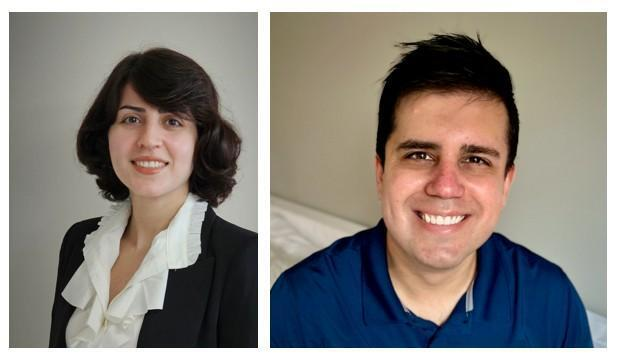
…to our newest PhD graduates: Bryce Dunn, Matin Jahani, and Aseem Pradhan!

PhD Graduates

…to Dr. Parag Chitnis for promotion to Full Professor. Parag serves as the Associate Chair, Graduate Programs for the Bioengineering Department. In addition, he received the Presidential Medal for Excellence in Research this spring which honors George Mason faculty members for their work on behalf of the university, students, and the broader community.

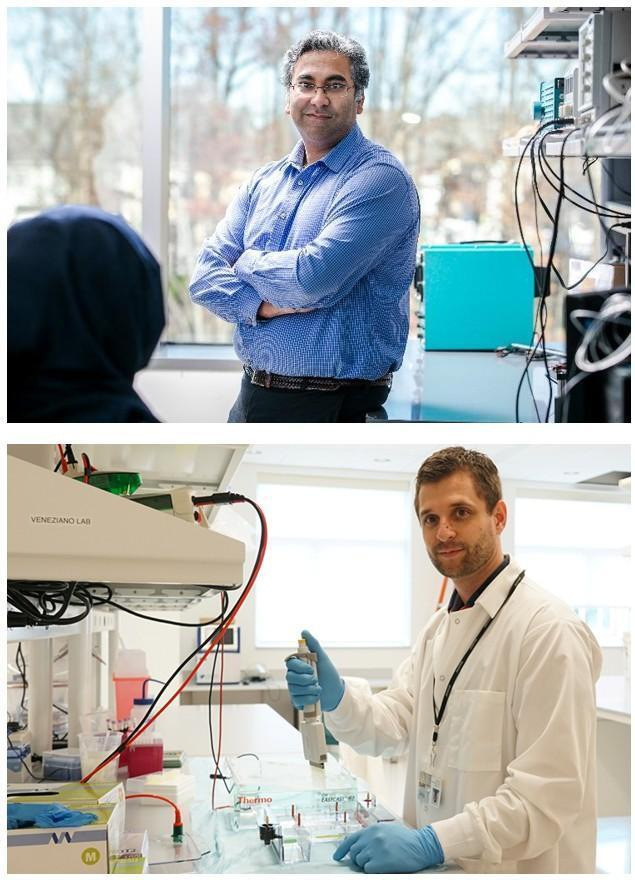
Dr. Parag Chitnis

…to Dr. Gilbert Gimm, a faculty member in the College of Public Health, was promoted to Full Professor on April 30, 2026. He also serves as Director of the Health Services PhD program. His research areas include disability and aging, substance use, program evaluations, and health care financing.
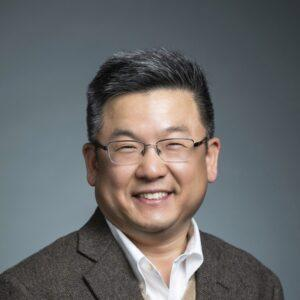
Dr. Gilbert Gimm

…to Dr. Samuel Acuña, who began this summer as the new Term Assistant Professor with Mechanical Engineering. His research explores new technologies to address movement disorders that develop after injury.
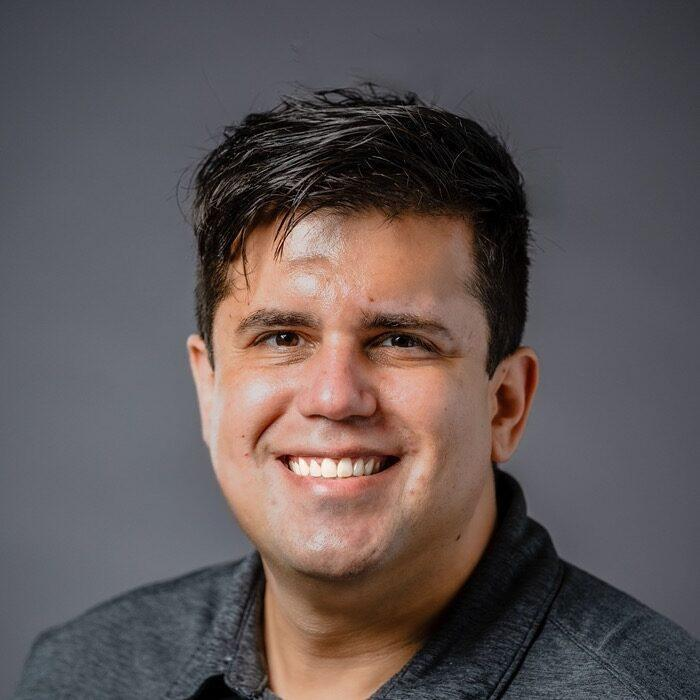
Dr. Samuel Acuña
ENDependence Center of Northern VA awarded grant
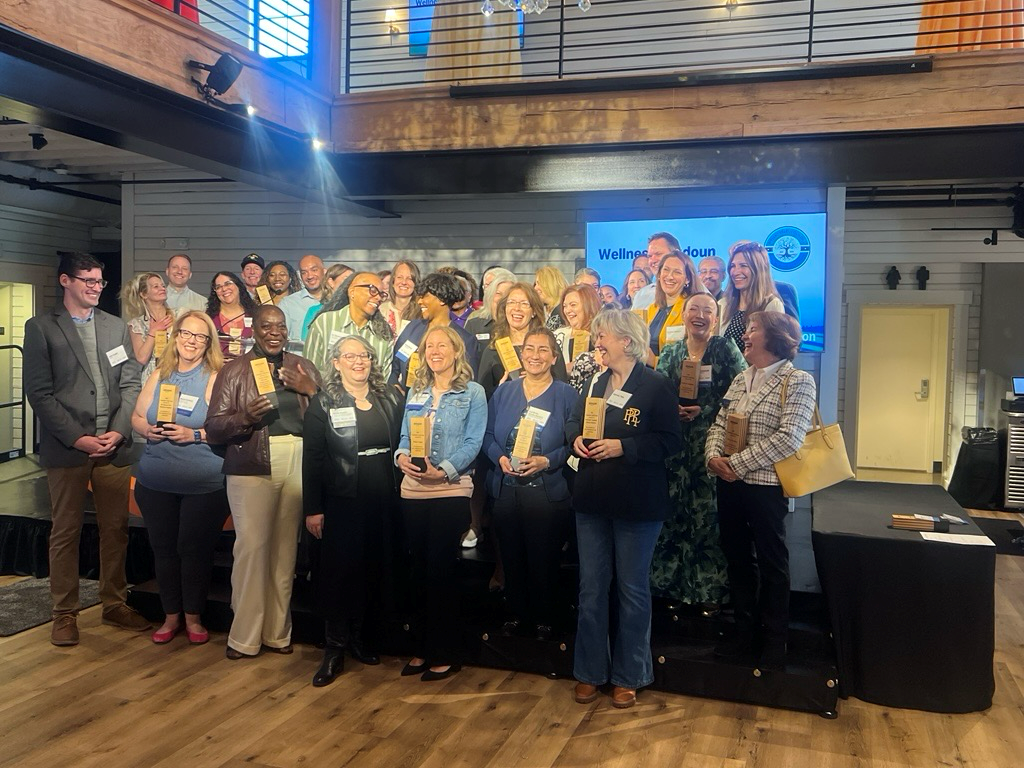
Wellness Loudoun Event

Tim Fuchs, Deputy Executive Director of ENDependence Center of Northern VA and CMI board member, submitted a proposal to Amazon’s Community Fund to secure additional funding that would make an impact for their clients they serve every day. Amazon Loudoun County Community Fund, a partnership between Amazon and the Community Foundation for Loudoun and Northern Fauquier Counties, awards grants that support impactful projects across five key focus areas: Health and Wellness, Food Security, Community Infrastructure for Homelessness Intervention and Prevention, Sustainability and Environment, and Social Cohesion. ECNV was awarded a $5000 grant which will support the delivery of accessible medical equipment and assistive devices for Loudoun residents who need essential equipment.

Hot Off the Press
CMI’s Chronic Pain Research Group published in the Archives of Physical Medicine and Rehabilitation
Myofascial Pain

A recent paper from the group titled “Multidimensional analysis of the clinical spectrum and symptom burden of unexplained myofascial pain,” has been accepted for publication in the Archives of Physical Medicine and Rehabilitation. The Archives is the most cited journal (lifetime) in the field of rehabilitation research. This paper was an international effort with co-authors based in four different countries: US, Canada, Spain and Italy.
Siddhartha Sikdar, Secili DeStefano, María José Guzmán Pavón, Yu-Lin Hsu, Seiyon Lee, John Srbely, Jay Shah, William Rosenberger, Samuel Acuña, Yonathan Assefa, Matin Jahani Jirsaraei, Antonio Stecco, Lynn H. Gerber

Student Highlights
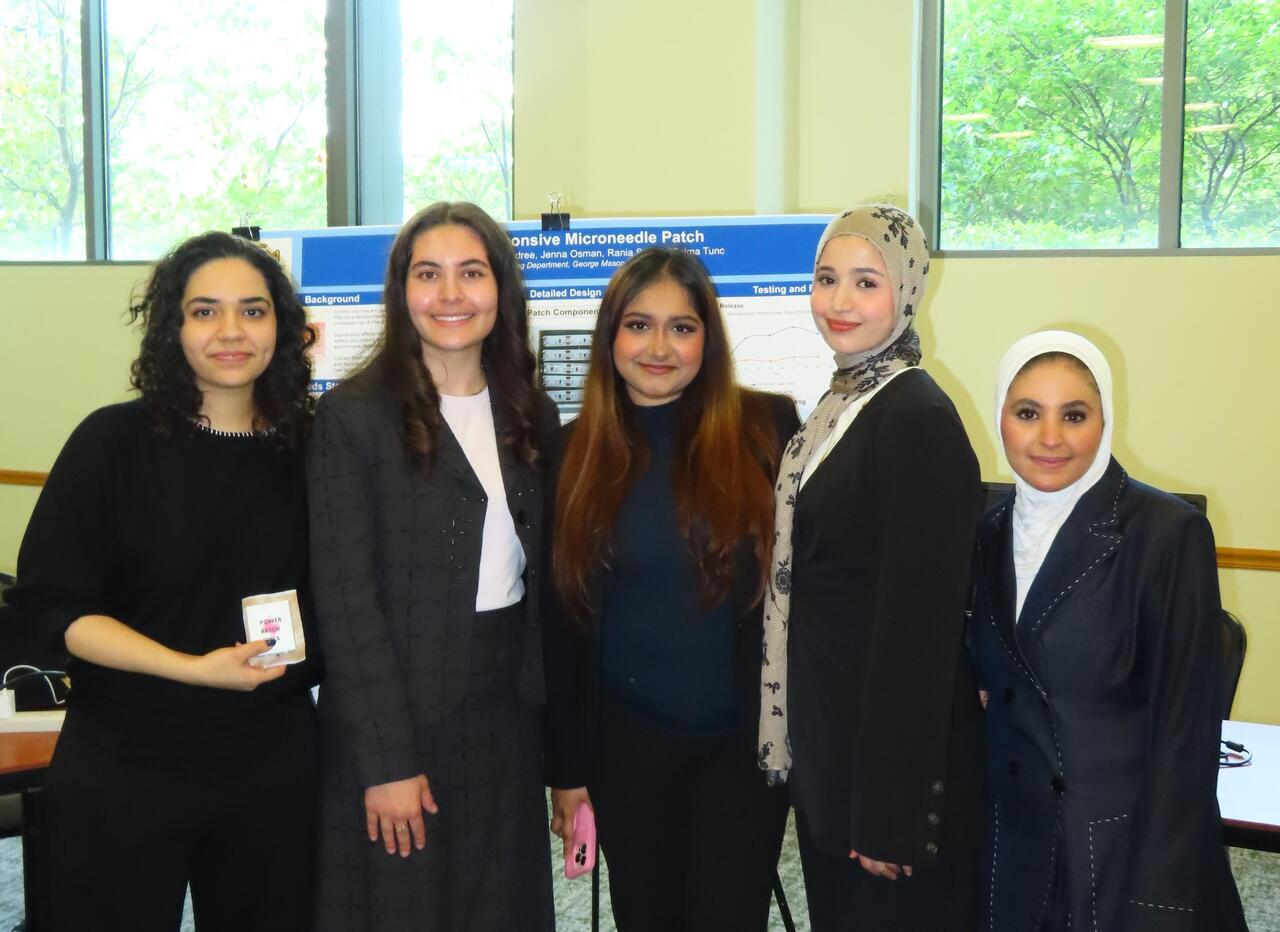
Team “Power Patch Girls” wins Audience’s Choice Impact Award at Bioengineering’s Senior Design Day
Power Patch Girls Team

Team members Danah Aljadan, Zee Niladree, Jenna Osman, Rania Seyam, Selma Tun (mentored by Dr. Rémi Veneziano) presented their capstone project “Light-Responsive Microneedle Patch” at Bioengineering’s Senior Design Day this past May. The goal of the project was to design an ultraviolet light-responsive microneedle patch (that would be part of a wound dressing) for targeted and on-demand drug delivery. Congratulations team!
Alumni Highlights
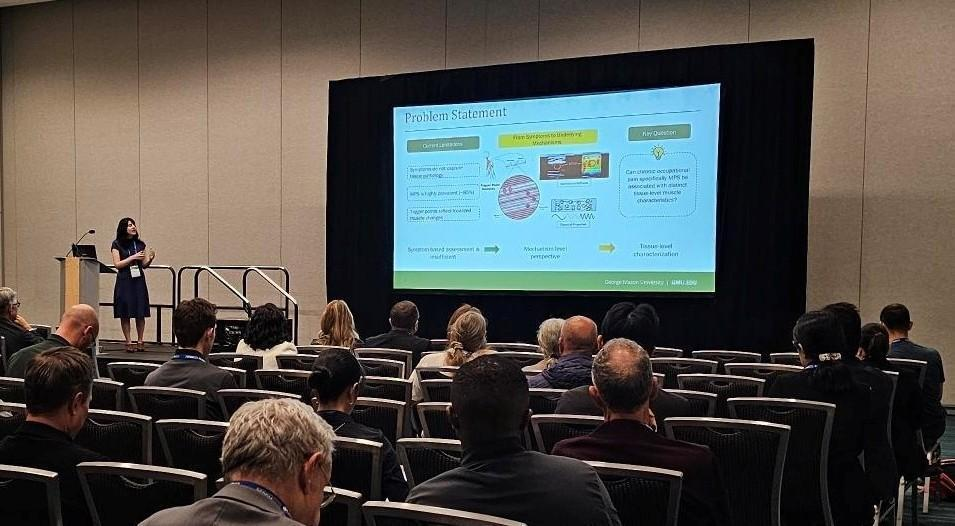
Matin Jahani presenting

Matin Jahani, a recent PhD graduate, presented podium talks on the group’s research at the International Society for Physical and Rehabilitation Medicine (ISPRM) in Vancouver, BC and American Institute of Ultrasound in Medicine (AIUM) annual meeting in Philadelphia in May 2026. The group also had three posters at the ISPRM.

Welcome!

We’re excited to welcome Sarah Crespo to the team as our new Clinical Research Coordinator, starting June 8th! With over 20 years of experience at Pi-Coor, she brings a wealth of expertise and insight that will be invaluable to our work.

And we’re thrilled to welcome a dynamic group of interns this summer who will dive into diverse aspects of our ongoing NIH-funded research on chronic knee pain!
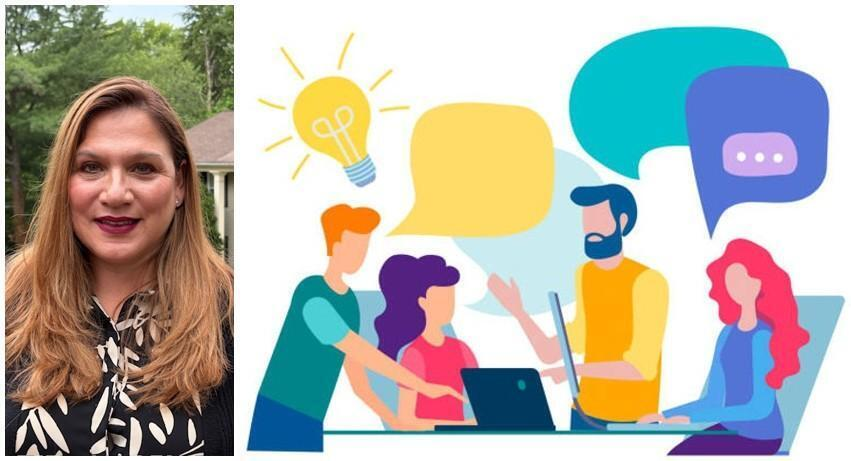

Sarah Crespo and team illustration

March 2026

We are the Center for MedTech Innovation (formerly known as the Center for Advancing System Science and Bioengineering Innovation). Though we have a newly chartered name, we have that same mission: to build and advance medical technologies into the real world through human-centered and community-engaged methodologies. Follow our journey as we listen to the lived experiences of real people and co-create solutions.

Exciting CMI Activities
Spring Board Meeting Focuses on Three Priority Projects
Board Meeting

On March 19th, the Center for MedTech Innovation held a Community Advisory Board (CAB) meeting, bringing together our remarkable board members for a rich, forward-looking conversation about the center’s direction and impact. The meeting centered on our recently rebranded identity as CMI and the strategic framework guiding our work: advancing medical technologies through human-centered, community-engaged methodologies. Board members engaged with updates on three priority projects: a wearable ultrasound device for musculoskeletal rehabilitation, a continuous hormone biosensor, and a digital twin platform for chronic pain, and offered invaluable feedback on where and how community partners should be woven into the innovation cycle from the very start.

A highlight of the meeting was a collaborative working session where CAB members helped CMI leadership think through ecosystem mapping, translational infrastructure, and how to meaningfully integrate the voices and expertise of people with lived experience throughout the design process. The board’s guidance reinforced what we believe: that responsible, impactful MedTech innovation requires trust, representation, and deep partnership with the communities we aim to serve. We’re energized by the conversation and look forward to seeing our board members again at the CMI Retreat in May 2026!

Community Opioid Response Enhancement (CORE) Program
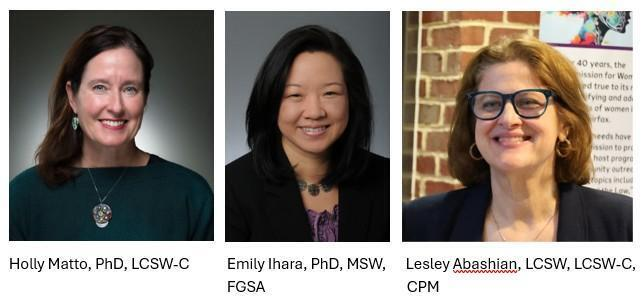
CORE Team: Holly Matto, Emily Ihara, Lesley Abashian

Lesley Abashian (Director of Human Services for the City of Fairfax), Holly Matto (Professor in the Department of Social Work in the College of Public Health at GMU) and Emily Ihara (professor and chair of the Department of Social Work at GMU) are working collaboratively on a new Opioid Abatement Authority (OAA) grant-funded project, the Community Opioid Response Enhancement (CORE) program.

The project is a co-designed AI-enabled Virtual Reality learning system to enhance community response to problematic substance use. Through CORE, the team seeks to support, develop and enhance local, multi-disciplinary crisis response teams through the use of virtual reality training scenarios, available both at the GMU Immersion Technology Lab site and a remote training option. A specific emphasis for this project is supporting stronger integration of certified peer recovery specialists in local crisis and post-crisis response.

Two CMI Teams Awarded Seed Translational Research Project (STRP) Fund

ARTISAN (Accelerating Research Translation Integrated Student Ambassador Network) aims to connect and involve undergraduate students in research translation, raising the awareness of undergraduate students about the importance of research and technology translation to enable use-inspired applications of high societal and economic impact, and enhancing the undergraduate educational experience through innovation, community engagement, and research. Teams receiving funding from George Mason’s NSF ART award through the Seed Translational Research Project (STRP) program may host an ARTISAN undergraduate intern to work on their STRP.

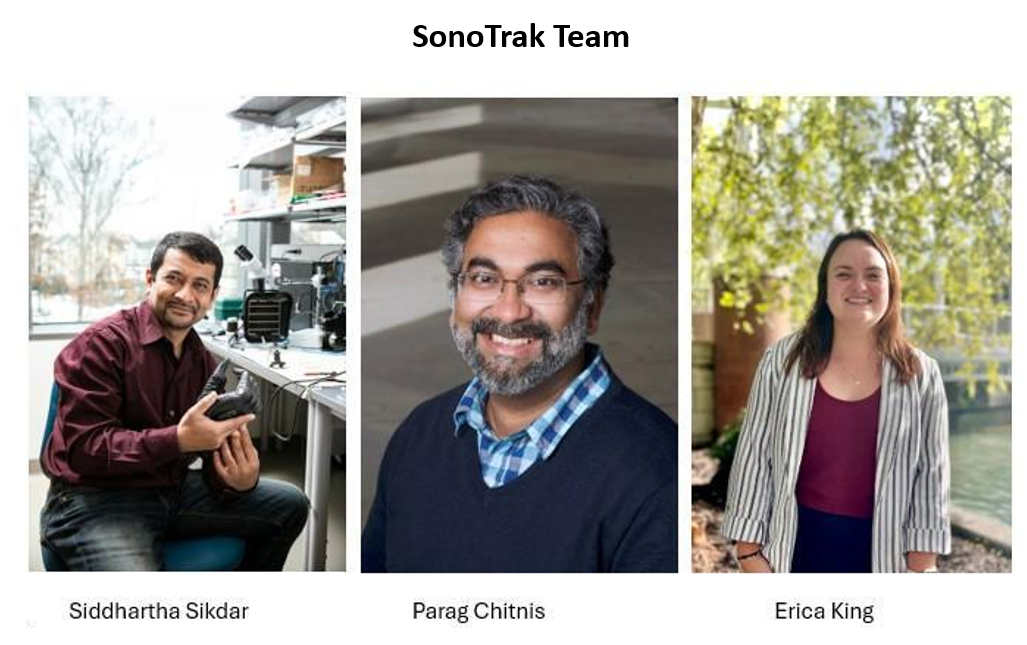
SonoTrak Team

SonoTrak Team

This project addresses how many people who recover from muscle injuries unknowingly return to activity before they’re truly ready, leading to re-injury. Drs. Parag Chitnis, Erica King and Siddhartha Sikdar are developing a wearable device that uses ultrasound to show coaches and clinicians exactly how muscles are functioning in real time, catching hidden problems that traditional tools miss. This STRP project enables the team to refine the design of their technology, SonoTrak, through hands-on testing with athletic trainers, bringing it one step closer to commercialization and everyday use in clinics and on the sideline.

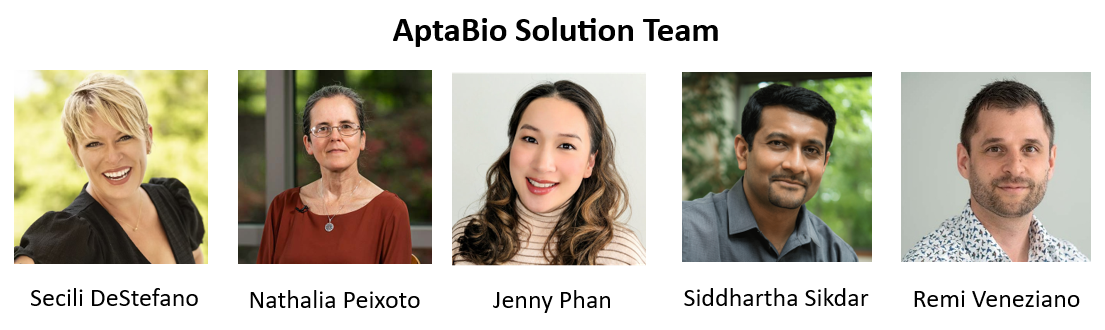
AptaBio Solution Team

AptaBio Solution Team

Current methods monitoring hormones such as estradiol (E2) remain invasive, expensive, and impractical for continuous monitoring, yet E2 plays a fundamental role in cognitive function, bone density, cardiovascular health, mood regulation, and pain perception. Drs. Jenny Phan, Remi Veneziano, Nathalia Peixoto, Secili DeStefano, and Siddhartha Sikdar are developing a non-invasive, wearable aptamer-based electrochemical biosensor that detects E2 in saliva with high specificity and sensitivity. This innovative intraoral sensor enables accessible, real-time E2 tracking without blood draws or lab processing by integrating recent aptamer advances with established electrochemical sensing. This STRP will optimize the sensing technology and de-risks the proof-of-concept through validation of technical performance, clinical utility, and user acceptability.

Hot Off the Press
Publication in Advanced Materials Technologies
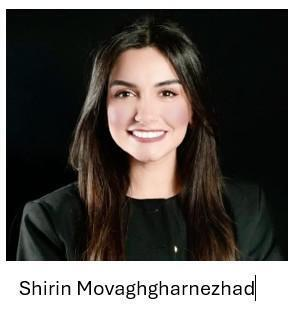
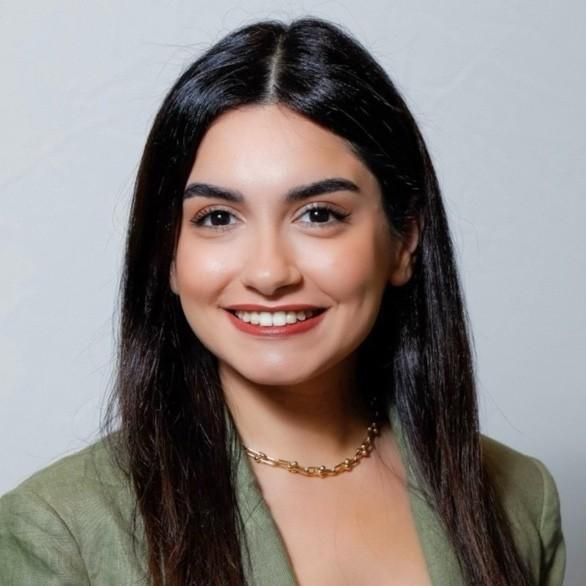
Shirin Movaghgharnezhad

Shirin Movaghgharnezhad

Microstructured Electrode-Piezopolymer Interface for Ultrasound Transducers With Enhanced Flexibility and Acoustic Performance

In this work, we examine how electrode composition and interfacial morphology influence the electromechanical behavior of flexible piezopolymer ultrasound transducers. We show that a porous, infiltrated electrode–piezopolymer interface enables enhanced piezoelectric response, acoustic output, mechanical durability, and long-term stability, outperforming conventional metal and carbon-based electrodes. These findings position laser-induced porous graphene as a promising material platform for wearable ultrasound applications.

Spencer Hagen, Dulcce A. Valenzuela, Parag V. Chitnis, Shirin Movaghgharnezhad

Alumni Highlights
Patriot Performance Lab Helps Athletes Stay in the Game
Patriot Performance Lab

Erica King, postdoctoral research fellow and GMU Bioengineering alumna, works with the team in the Patriot Performance Lab. The Patriot Performance Lab’s role is twofold: They monitor and measure athletes’ health as well as conduct research studies on athlete performance. Over the years, they’ve conducted numerous studies with various D1 teams—such as testing vitamin D levels in basketball players and knee joint adaptations in volleyball players—while providing athletes with critical data on their health metrics like body composition, VO2 Max, strength measurements, and more.

iCONNECT App Helps in Substance Use Disorder Recovery
iCONNECT App

iCONNECT App is a technology-driven initiative designed to bridge the gap between individuals and community resources towards substance use disorder (SUD) recovery. Their free mobile app, iCONNECT SUD, connects individuals who are on their recovery journey to verified local support services to receive care more efficiently and access the resources that they need in real time.

The mission of iCONNECT SUD is to strengthen recovery pathways by improving access to local community resources and fostering connections between individuals, families, and community-based services. Its vision is deeply aligned with and inspired by the work of ally organizations like CMI and the Chris Atwood Foundation, as well as community partners from the Arlington and Fairfax Community Services Boards, including state and county representatives.

Recently, iCONNECT SUD secured a second consecutive year of funding from Recovery Corps to support Jasmine Abuelhawa, the organization’s Recovery Program Coordinator. GMU alumni Rebecca Leung and Dylan Scarton proudly work to continue this effort.

Add to Your Calendar!
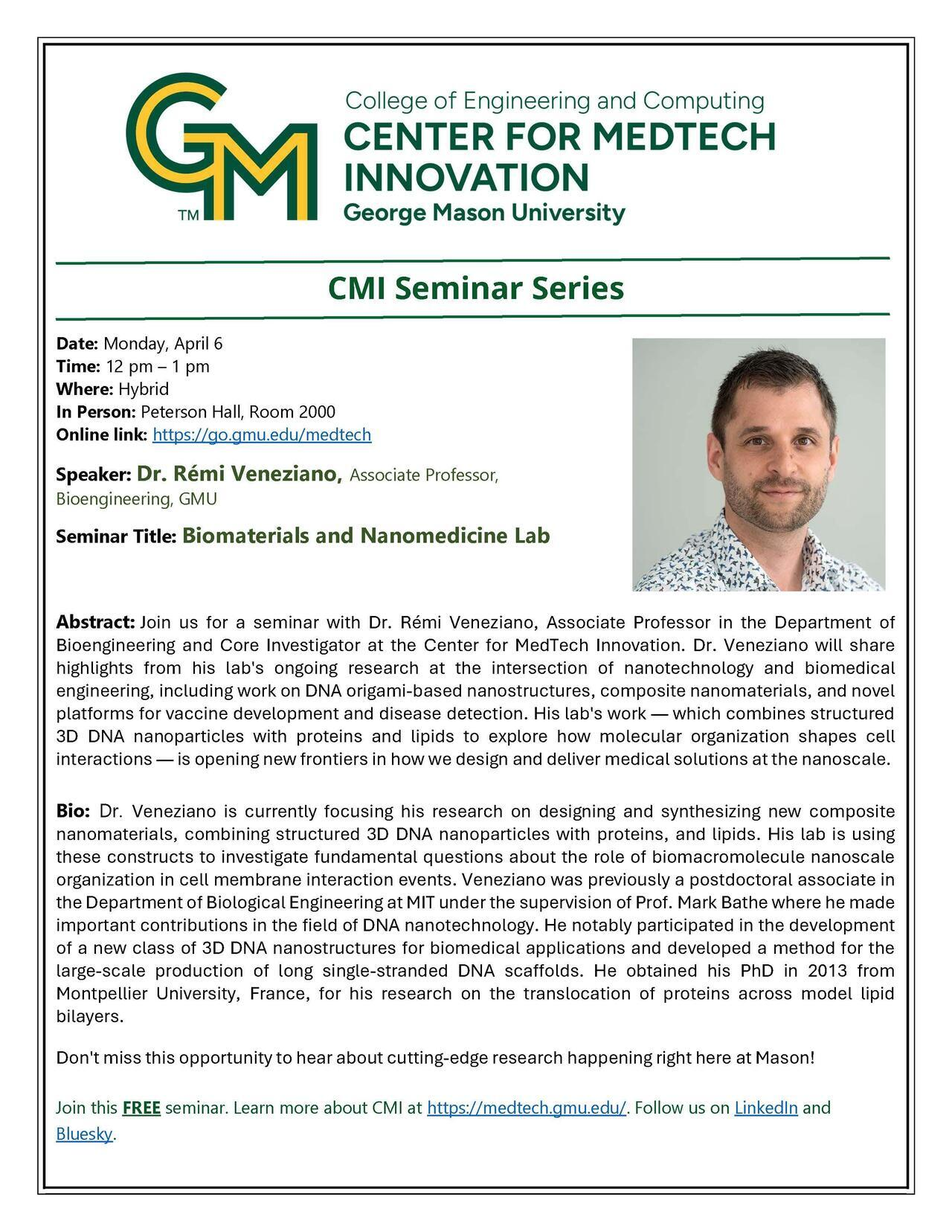
CMI Seminar Series - Dr. Rémi Veneziano
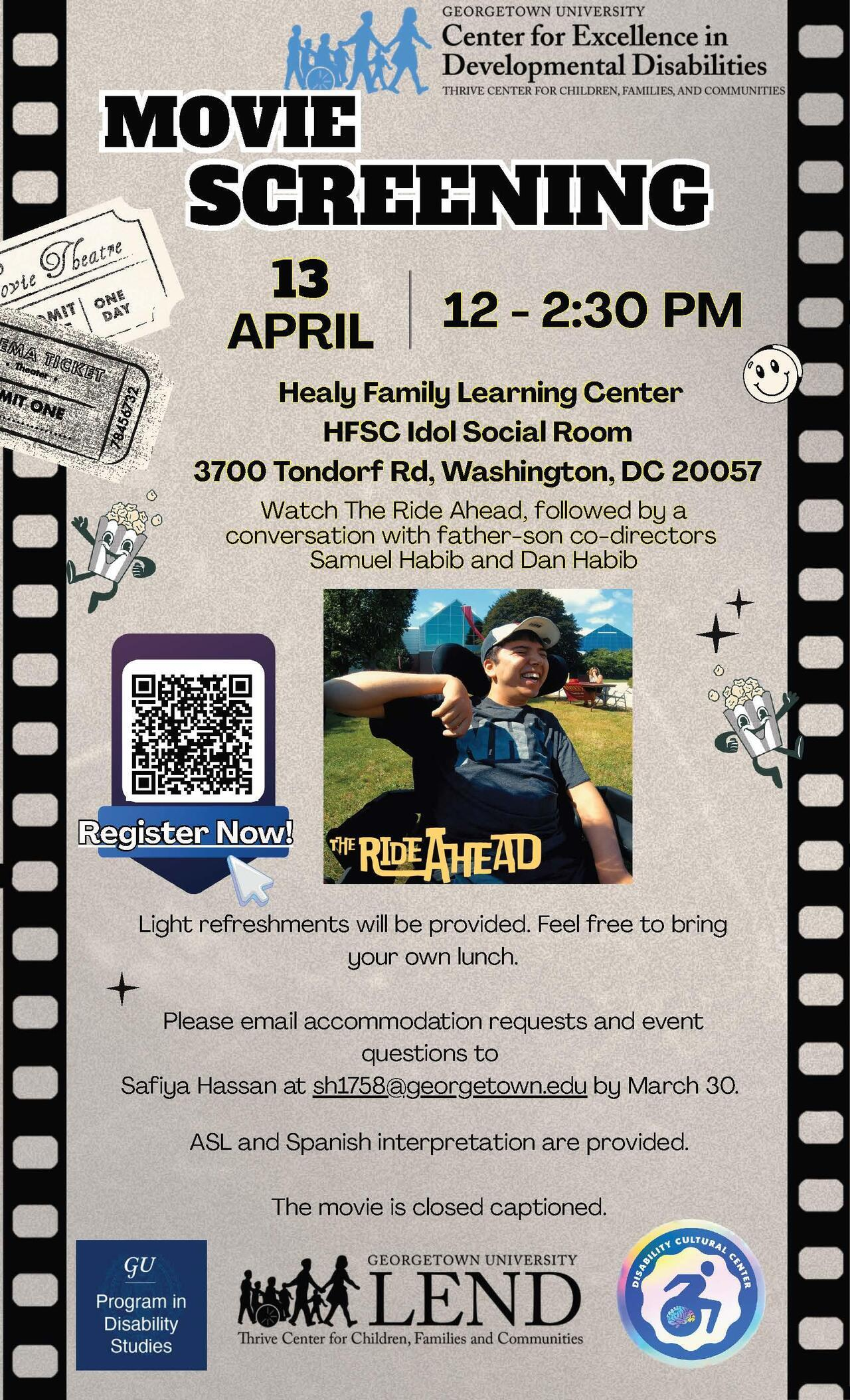
Movie Screening - The Ride Ahead

December 2025

As we come to the close of the Fall 2025 semester, we want to take a moment to celebrate an exciting and productive end to the year at our center. Happy Holidays to our community! This newsletter highlights just a few of the accomplishments, milestones, and moments that made this semester one to be proud of.

Exciting CASSBI Activities
First Design Sprint a success!
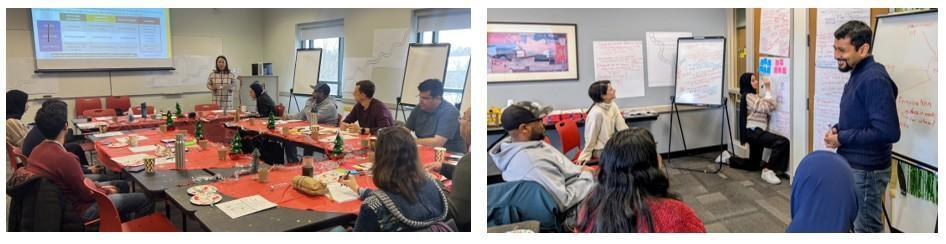
Design Sprint - Room views

This past Monday, our center hosted our inaugural Design Sprint! The event was full of excitement as we welcomed students, faculty, friends, alumni, and past trainees to a festive planning day that embodied true holiday spirit. We had intentional time taking a blast to the past to mark successes, challenges, and gaps in our processes and programming, then catapulted to the future to design a blueprint of the infrastructure we wanted to continue to build off of.

Our center is in a pivotal moment as we recently finished a 5-year NSF grant that allowed us to host a multidisciplinary traineeship program that brought together students from social work, psychology, computer science, bioengineering, kinesiology, health informatics, information technology, and more, to engage in community-based participatory research and work with community organizations to come alongside them in resolving challenges they actively experience.

Design Sprint Group Photo

Our design sprint focused on three specific areas where we wanted to understand our true impact and where to continue to grow: community engagement, research impact, and workforce development for students. One attendee reminded us that the work we are doing must continue: as an alum with a PhD in Health Services Research, this attendee worked at the National Science Foundation, applying the community engagement components he learned through our NRT traineeship to develop data-driven impact stories that made complex research accessible to diverse audiences. The day reminded us that our strength lies in our commitment to building sustainable partnerships, engaging in community-centered research, and preparing students for the workforce. We will take this renewed energy and clarity in our work to continue moving forward and translating our efforts into real-world impact.

Grants Awarded
Congratulations to Dr. Chitnis and Dr. Veneziano!
Dr. Chitnis and Dr. Veneziano

Remi Veneziano and Parag Chitnis have been awarded a $200,000 Tier 2 grant from the Virginia Innovation Partnership Corporation (VIPC) Commonwealth Commercialization Fund (CCF). Their research focuses on improving photoacoustic imaging, a cutting-edge medical technology that uses light and sound to create detailed images of blood vessels and tumors deep inside the body. To make this technology safer and more practical for clinical use, they are developing unique nanomaterials made from FDA-approved dyes. This funding will support further research and development, paving the way for commercialization and eventual use in hospitals and clinics.

Hot off the press
Trends in Genetics (2025): Autism genetics: Perspectives, discourse, and community engagement
Dr. Jenny Phan

Autism genetics research has the capacity to improve the quality of life of autistic community members, but research priorities vary widely across stakeholders. We summarize key points from our discussion series on autism genetics, highlighting diverse perspectives. Working together, we aim to encourage healthy engagement in autism genetics research.

Life, B. E., Thomas, T. R., HEARD, Asher, R., Bruwer, Z., Buckle, K. L., Chepkirui, D., Donald, K.A., Dwyer, P., Halladay, A., Harker, S., Ivankovic, F., Kamuya, D.M., Kuo, S., Natri, H., Phan, J.M., Robinson, E., & van der Merwe, C. (2025). Autism genetics: perspectives, discourse, and community engagement. Trends in Genetics. https://doi.org/10.1016/j.tig.2025.11.002

European Neuropsychopharmacology (2025): Healthy engagement in autism research dialogue

There have been varying levels of discourse on the value of different scientific discoveries to different autism communities, including those with direct lived experience and those who may be part of the community but not have an autism diagnosis themselves. Even within the autistic researcher community, there is a diversity of viewpoints on the importance of different avenues of scientific research. This includes not just the research itself, but how it is prioritized, presented and the use of that information. Typically, these discussions have been acrimonious, occurring on social media or presented at scientific meetings as a one-sided approach.

People holding hands sketch

van der Merwe, C., Life, B., Phan, J. M., & Halladay, A. (2025). M56. Healthy Engagement in autism research dialogue: A pilot approach to community focused research. European Neuropsychopharmacology, 99, 136-137. https://doi.org/10.1016/j.euroneuro.2025.08.252

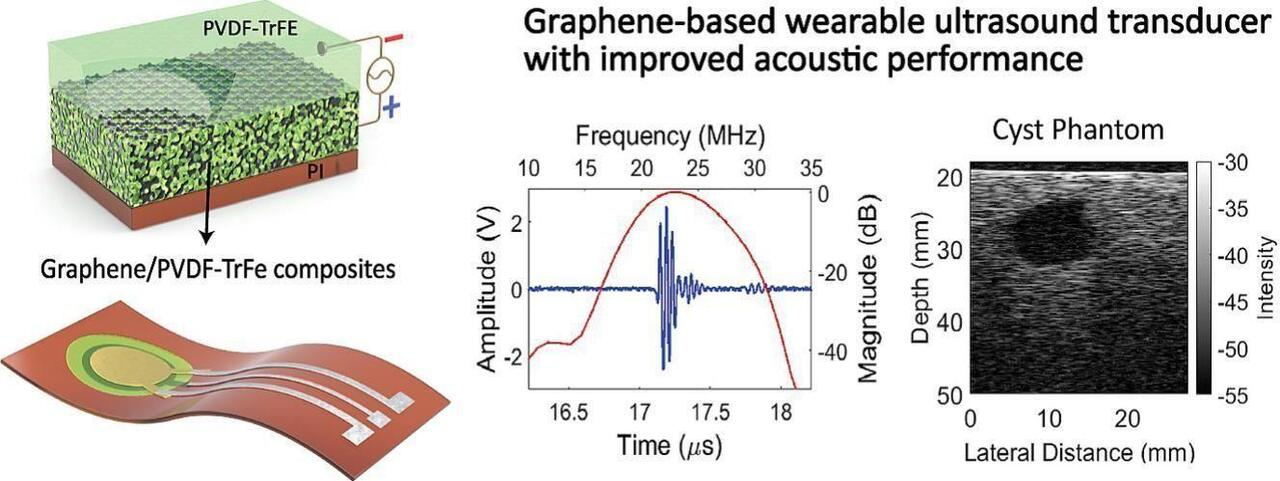
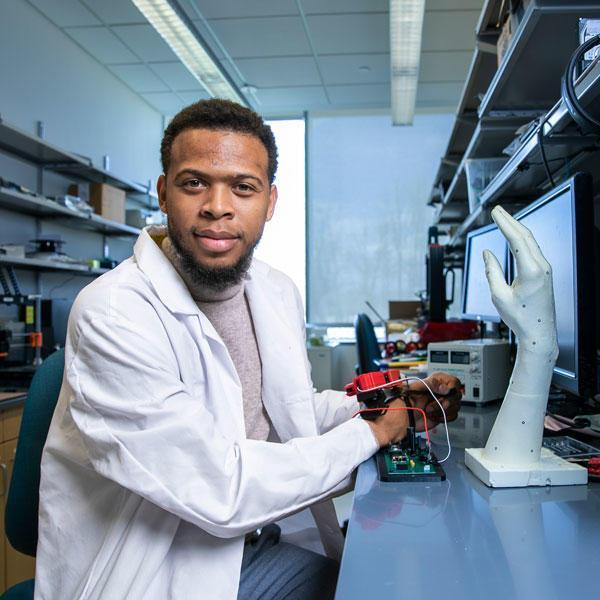
Integration of porous graphene and 3D-printed piezopolymer for flexible ultrasound transducers

In this work, collaborators in the Biomedical Imaging Lab demonstrate that piezopolymer materials can be 3D-printed onto laser-induced porous graphene electrodes on flexible substrates, enabling the creation of wearable ultrasound imaging patches. This approach opens the door to lightweight, conformal, and low-cost ultrasonic devices for continuous health monitoring.

Huge congratulations to Shirin Movaghgharnezhad, Ph.D. for leading this effort to a successful outcome, and many thanks to Pilgyu Kang for his invaluable collaboration.

Shirin Movaghgharnezhad
Graphene-based wearable ultrasound transducer figure

Shirin Movaghgharnezhad, Ehsan Ansari, Clayton A. Baker, Ahmed A Bashatah, Dulcce A. Valenzuela, Pilgyu Kang, Parag V. Chitnis

Keynote Speaker
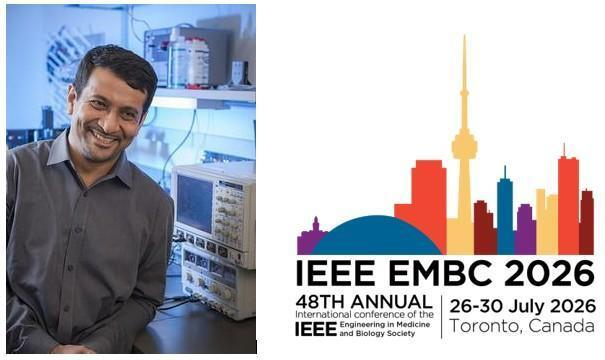
Dr. Siddhartha Sikdar to give keynote talk at IEEE EMBC 2026
Dr. Sikdar and IEEE EMBC 2026

The Annual International Conference of the IEEE Engineering in Medicine and Biology Society (EMBC 2026) will be held in Canada from 26–30 July 2026. As the world’s leading forum for biomedical engineering and healthcare innovation, the conference will convene researchers, clinicians, academics, and industry leaders to exchange knowledge, present pioneering research, and foster collaborations. EMBC 2026 will provide an outstanding platform to explore the latest advances in engineering in medicine and biology, shaping the future of healthcare worldwide.

This year’s theme is Engineer Sustainable and Equitable Healthcare.

Note from our Directors

Dear friends and colleagues,

As we look back at an eventful year, we wanted to thank all of you for your contributions and celebrate your successes. This was a pivotal year for our center. We started the year with a new charter and are ending it with a rebranding as the Center for MedTech Innovation.

We had many successes as a center, including several new and exciting projects that got underway, new collaborations that were initiated and many new publications and other research products that were created. Our students won several awards, and some graduated and are taking on new challenges. This year we expanded upon our commitment to community engagement and worked closely with three community advisory panels, composed of individuals living with chronic pain, limb loss and developmental disabilities to frame meaningful and impactful research questions.

We formed a new advisory board for our center who have been providing us invaluable guidance as we chart our path forward. We also forged a closer-knit community within our center through our kickoff strategic planning, annual retreat, design sprint and a couple of celebratory get togethers.

We have a very exciting year ahead of us, where we will try to leverage the universities’ grand challenges initiative to propel our center forward, and continue creating impact through innovative research, translation and developing our future leaders. We hope you have a wonderful and restful holiday break with friends and family.

Happy Holidays and Happy New Year!

November 2025

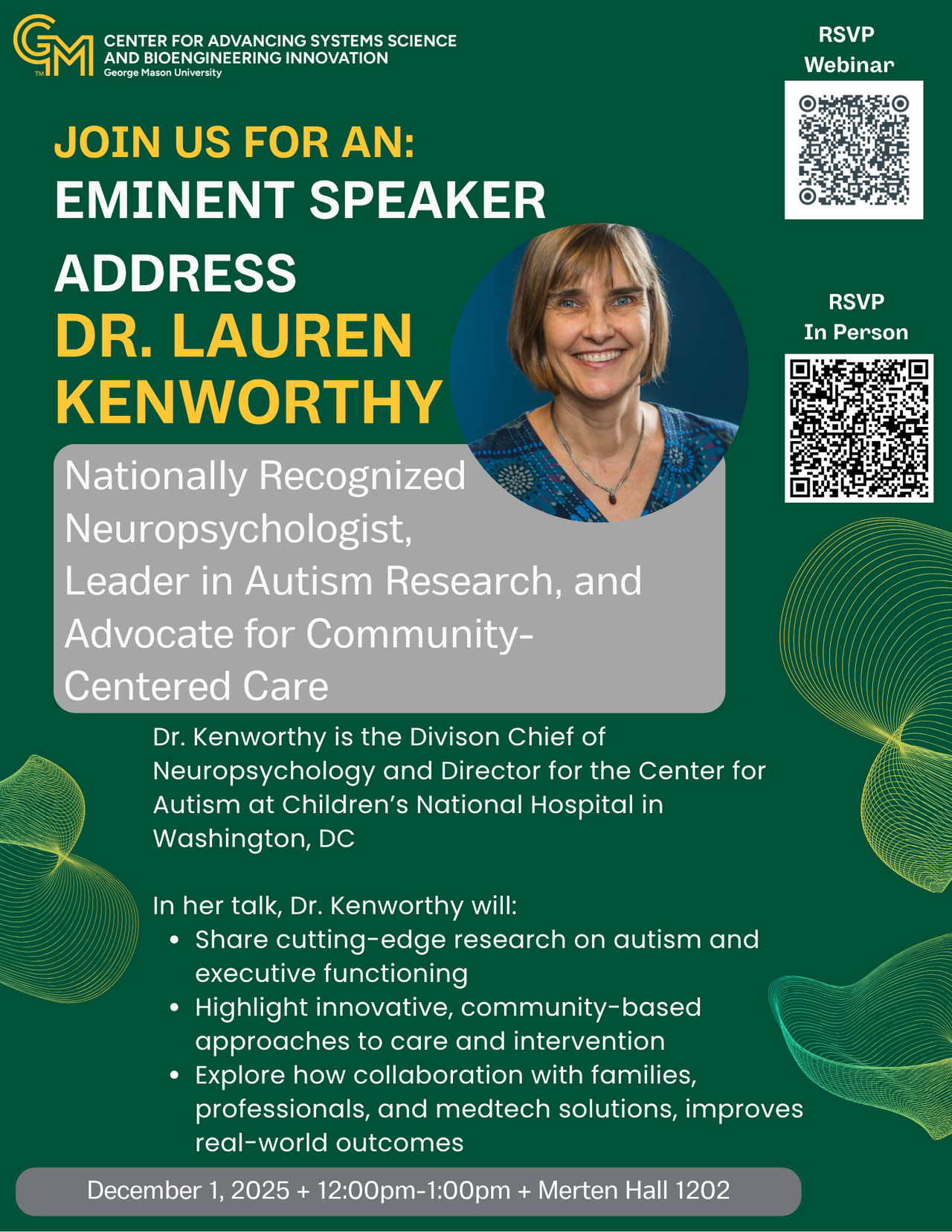
Eminent Speaker Address
Dr. Lauren Kenworthy Eminent Speaker Address Flyer

Date: December 1, 2025

Time: 12:00 PM – 1:00 PM

Location: Merten Hall 1202

Speaker: Dr. Lauren Kenworthy — Nationally Recognized Neuropsychologist, Leader in Autism Research, and Advocate for Community-Centered Care

Dr. Kenworthy is the Division Chief of Neuropsychology and Director for the Center for Autism at Children’s National Hospital in Washington, DC.

In her talk, Dr. Kenworthy will:

  • Share cutting-edge research on autism and executive functioning
  • Highlight innovative, community-based approaches to care and intervention
  • Explore how collaboration with families, professionals, and medtech solutions improves real-world outcomes
CASSBI Events
Design Sprint & Holiday Feast

CASSBI is hosting a one-day Design Sprint & Holiday Feast to surface priorities for 2026, build cross-disciplinary teams, and celebrate our community’s work.

The CASSBI Design Sprint & Holiday Feast is a one-day collaborative event bringing together past trainees and community partners to co-design the future of CASSBI at George Mason University.

Participants will leave having contributed to shaping research priorities, forging new collaborations, and inspiring practical strategies to advance systems science and bioengineering innovation.

When: 9:00 AM–3:00 PM on Monday, December 15

Where: GMU Fairfax Campus; Johnson Center Room B

Who: Past trainees and community partners working in IDD, bioengineering, psychology, CS, social work, and allied fields

What to expect:

  • Lightning highlights from CASSBI NRT projects
  • Round 1: map challenges and opportunities
  • Holiday feast lunch
  • Round 2: solution sketches + mini roadmaps
  • Report-outs, voting, and a celebratory close
CASSBI Advisory Board (CAB)
CAB October Meeting Highlights

The Center for Advancing Systems Science and Bioengineering Innovation (CASSBI) convened its second Advisory Board meeting on October 27, 2025, at George Mason University’s Fairfax Campus. Board members and center leadership discussed the center’s strategic realignment toward innovation, university-wide integration, and new revenue-generating models to sustain translational research and community partnerships.

Key discussions centered on establishing a Center for MedTech Innovation identity, bridging academic research with real-world application through structured pathways for feasibility, proof-of-concept, and proof-of-value development. The Board emphasized the importance of focusing on investable, mission-aligned projects—particularly two emerging initiatives: a wearable ultrasound for musculoskeletal rehabilitation and a real-time estradiol biosensor for women’s health.

Members also provided valuable input on defining commercialization handoff processes, aligning intellectual property and equity frameworks with university policies, and developing cost centers to support early-stage prototyping. The Board encouraged continued emphasis on patient-centered design, disability inclusion, and paid consultation models that elevate lived experience expertise within innovation pipelines.

Next steps include finalizing the center’s naming and branding strategy, formalizing its cost-center and equity models, piloting consultation and fellowship programs, and securing internal and external funding for proof-of-concept work.

Hot Off the Press
Bridging Neurodiversity and Open Scholarship
Dr. Jenny Phan

How Shared Values Can Guide Best Practices for Research Integrity, Social Justice, and Principled Education

Dr. Jenny Phan, CASSBI’s Assistant Director of Community Engagement, and members of the FORRT Neurodiversity Team (Sara L. Middleton, Flavio Azevedo, Bethan J. Iley, Magdalena Grose-Hodge, Samantha L. Tyler, Steven K. Kapp, Siu Kit Yeung, John J. Shaw, Helena Hartmann).

Not all people conform to socially constructed norms, nor should they have to. Neurodiversity, the natural variation in human brains and cognition, is fundamental to understanding human behavior, yet neurodivergent individuals in academia are often stigmatized, undervalued, or pressured to mask their differences. This position statement, authored predominantly by neurodivergent scholars, explores how aligning the values of the neurodiversity movement with practices of Open Scholarship (OSch) can foster greater research integrity, rigor, social responsibility and justice, diversity, equity, inclusivity, and accessibility in academia.

We review systemic barriers faced by neurodivergent researchers—from disclosure dilemmas and hidden curriculum expectations to intersectional disadvantages—and identify how OSch principles (transparency, accessibility, collaboration) can help mitigate these challenges. Drawing on lived experiences and current research, we propose concrete reforms, including adopting universal design in scholarly communication, promoting participatory research methods, and enacting supportive policies (e.g., flexible work arrangements, inclusive codes of conduct). By leveraging shared values of openness and neuro-inclusion, academia can become more just and epistemically equitable.

Read more here

Kinematic Indicators of Physical Fatigue During Walking: A Systematic Review
Authors

This systematic review identifies key kinematic markers for real-time fatigue assessment during walking, highlighting how fatigue alters gait stability through changes in step width, stride time, and trunk acceleration variability. The findings emphasize the need to tailor fatigue monitoring methods to specific activities and provide a foundation for real-world fatigue detection using wearable technologies.

Jirsaraei MJ, Ji W, Acuña SA (2026). Kinematic Indicators of Physical Fatigue During Walking: A Systematic Review of Assessment Parameters and Protocols. Applied Ergonomics, 131:104640.

Celebrate CASSBI Accomplishments
Bioengineering PhD Candidate Nasrin Hanafi receives two prestigious honors
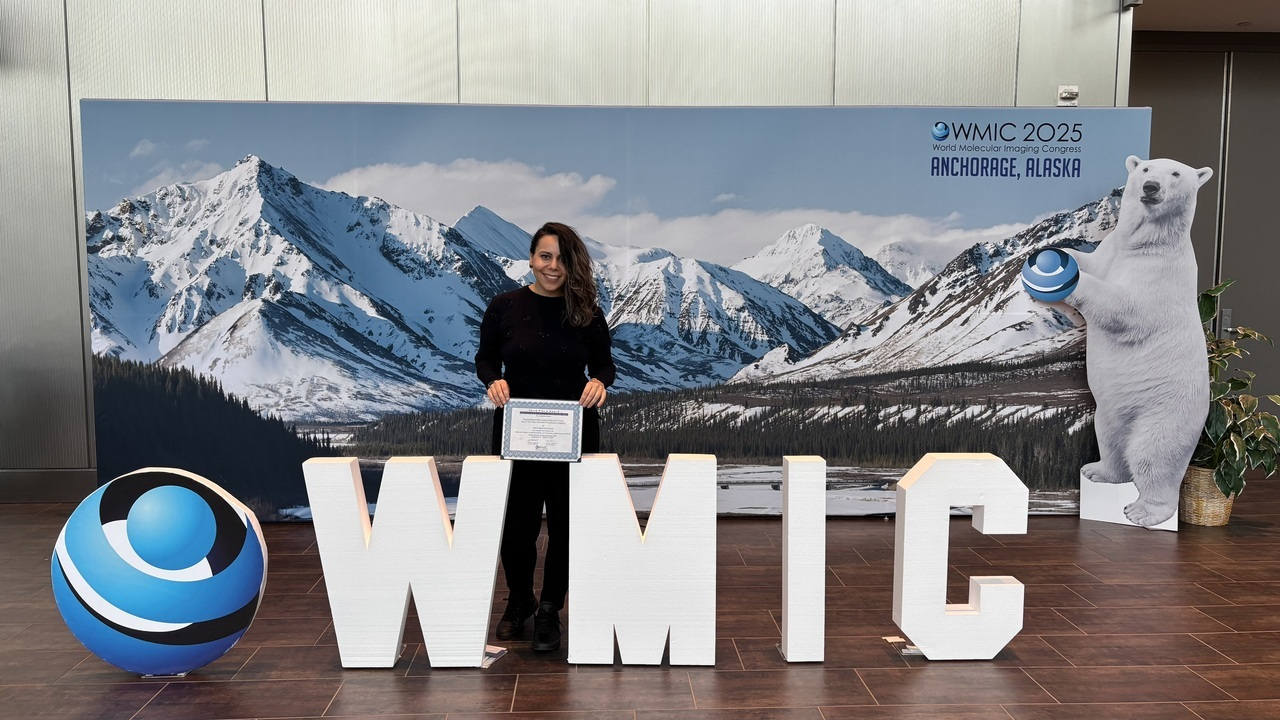
Nasrin Hanafi at WMIC 2025

Nasrin Hanafi, a Ph.D. candidate in Bioengineering at George Mason University, is developing innovative DNA-based nanosensors for deep-tissue optical imaging of brain activity and cancer. Her research was recently recognized at the 2025 World Molecular Imaging Congress (WMIC) in Anchorage, Alaska, where she received two prestigious honors: the WMIC Poster Award in New Chemistry, Materials and Probes, and third place in the MINT (Molecular Imaging in Nanotechnology and Theranostics) Young Investigator Award competition.

Bioengineering PhD Candidate Bryce Dunn presents at the World Molecular Imaging Congress
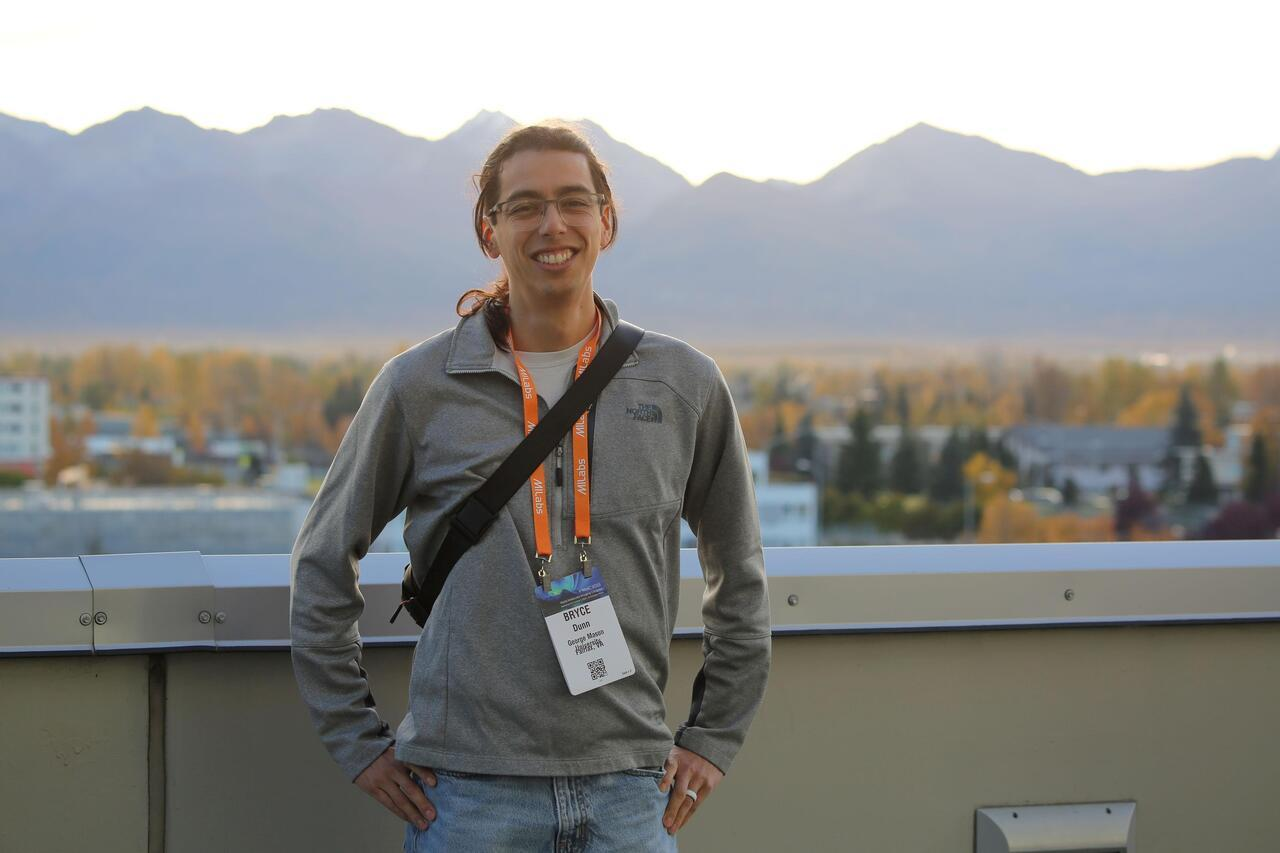
Bryce Dunn at WMIC

Bioengineering PhD candidate Bryce Dunn recently presented his research at the World Molecular Imaging Congress in Anchorage, Alaska, and the Biomedical Engineering Society meeting in San Diego, California. His work focuses on how shortwave infrared fluorescence imaging can be used to detect and monitor electrophysiological activity, offering new ways to visualize what’s happening in the nervous system. Bryce also made significant contributions to an award-winning poster and presentation led by Nas Hanafi.

September 2025

CASSBI Member Spotlight
Dr. Parag Chitnis, Professor and Associate Chair, Bioengineering Department
Dr. Parag Chitnis

Congratulations to Dr. Chitnis on his well-deserved promotion to full professor!

The overarching objective of Dr. Chitnis’ research is to sense, image, and modulate physiological function using light and ultrasound. He is one of the Principal Investigators in the Applied Biosensing Laboratory (ABL). He leads a multidisciplinary team of scientists and students that conducts basic science and translational research at multiple length scales spanning from single cells to small animals and to human subjects for understanding physiological function, studying progression of diseases, and developing new biomedical technologies.

Dr. Chitnis will be a guest speaker this fall at Dresden University of Technology on ultrasound-based assessment of wounds and musculoskeletal injuries.

Research News
Engineering better vision: George Mason professors lead $1.17M NIH project
Dr. Yao and team

Understanding and treating complex eye movement disorders like strabismus has long been a challenge for clinicians. Now, researchers at George Mason University are pioneering a new approach using robotics and artificial intelligence to engineer a better future for vision care.

Ningshi Yao, an assistant professor in the Department of Electrical and Computer Engineering, has been awarded a prestigious $1.17 million R01 grant to lead a groundbreaking four-year project. The award comes from the joint National Science Foundation (NSF) and National Institutes of Health (NIH) “Smart Health and Biomedical Research in the Era of Artificial Intelligence and Advanced Data Science (SCH)” program.

The funded project, “Study Coordinated Human Eye Movement and Strabismus Using a Novel Artificial Muscle-Driven Robotic Eyes,” will be conducted in collaboration with co-investigators Qi Wei and Quentin Sanders from George Mason’s Department of Bioengineering and consultant Joseph Demer in the Stein Eye Institute at the University of California, Los Angeles.

George Mason launches Virginia’s first robotics PhD
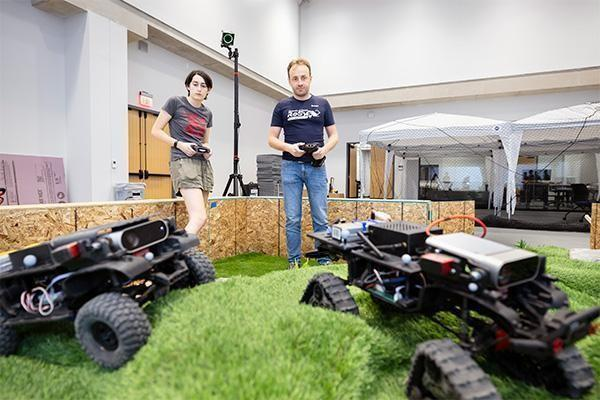
Robotics lab

George Mason University’s Department of Mechanical Engineering is leading the way in robotics with the approval of Virginia’s first PhD program in robotics that will launch in fall 2025. On July 10, the State Council of Higher Education (SCHEV) officially approved the trailblazing program that will educate future leaders in the growing field.

Mechanical Engineering Department Chair Leigh McCue and leading robotics faculty across the College of Engineering and Computing combined forces to create the multidisciplinary program that spans mechanical engineering, electrical and computer engineering, computer science, and cybersecurity.

Dr. Quentin Sanders receives NSF award
Dr. Quentin Sanders

In collaboration with Jonathon Schofield, Garrett Melenka, and Tiphanie Raffegeau, this project reimagines how we design prosthetic limbs for active children. Running blades and sport-specific prostheses empower kids to move and play — but they’re often prohibitively expensive and rarely covered by insurance.

CASSBI is awarded NIH grant to study chronic musculoskeletal pain

We are excited to share that the CASSBI team was just awarded a $4.65 million NIH grant to further study chronic musculoskeletal pain—the leading cause of disability worldwide. This is the first major project at the center that applies a complex systems perspective to study chronic pain in people, with a specific focus on patients with knee pain.

The project is led by a highly interdisciplinary group of Principal Investigators, including: Siddhartha Sikdar, Secili DeStefano, Kevin Lybarger, William Rosenberger, Ben Lee, Samuel Acuña, and Lynn Gerber. Together, this team includes doctors, bioengineers, biostatisticians, biomechanists, and experts in Artificial Intelligence (AI), Machine Learning (ML), and Natural Language Processing (NLP) — bringing a wide range of expertise to the table.

This project is a culmination of a long-standing collaboration for the CASSBI chronic pain group, and a new collaboration with the University of Wisconsin, Madison, and will use cutting-edge techniques to better understand how and why chronic knee pain and function change over time.

Aligned with the core values at CASSBI, the project will also include the participation of the Chronic Pain Advisory Board composed of patient advocates and community-based practitioners. This project not only marks a major research milestone for CASSBI, but also reinforces the value of combining lived experiences along with clinical, engineering, and AI expertise to tackle some of the most complex challenges in human health.

This grant was funded as part of the HEAL (Helping End Addiction Long-term) Initiative: Understanding Individual Differences in Human Pain Conditions. Funding is through the National Center for Complementary and Integrative Health and the National Institute of Neurological Disorders and Stroke.

CASSBI receives NIH grant to research how disruptions in brain cell communication lead to seizure disorders
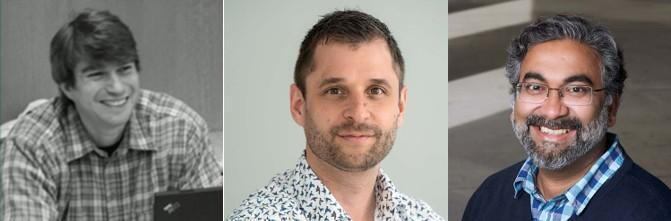
Cressman, Veneziano, and Chitnis

We’re proud to announce that the CASSBI team has received a new multi-year $2.14 million NIH grant to support research into how disruptions in brain cell communication may lead to seizure disorders. The CASSBI core members leading this work include Rob Cressman, Parag Chitnis, and Remi Veneziano.

Cressman, Chitnis, and Veneziano will use novel DNA-based sensors that can detect potassium, along with infrared light imaging, to develop a noninvasive imaging toolkit for studying brain function. Eventually, these tools will allow researchers to observe ionic activity deep within brain tissue — safely and without the need for invasive procedures. The long-term goal is to use these methods to better understand how the brain works in real time and evaluate the effectiveness of potential treatments.

This project is the result of a long-standing collaboration among CASSBI investigators and a new partnership with Photon Etc., an optical imaging company based in Montreal, Canada.

The research team is highly interdisciplinary, bringing together experts in neurobiology, nanomaterials, physics, and bioengineering. The techniques developed in the proposed study have strong potential to be used in real-world clinical settings and for commercialization, thanks to their noninvasive design and safety.

Celebrate CASSBI Accomplishments
First CASSBI Board Meeting held on August 25

The Center for Advancing Systems Science and Bioengineering Innovation (CASSBI) recently convened its Advisory Board to review ongoing projects and strategic priorities. Board members emphasized the importance of prioritizing initiatives with near-term community impact while also sustaining longer-term research and innovation.

Key discussions focused on improving communication across disciplines, aligning projects with community and industry needs, and developing clearer ways to describe outcomes and solutions. The Advisory Board will continue to guide CASSBI in strengthening partnerships with government, industry, and community stakeholders to ensure that the center’s work has both scientific and real-world impact.

CASSBI’s Summer Retreat
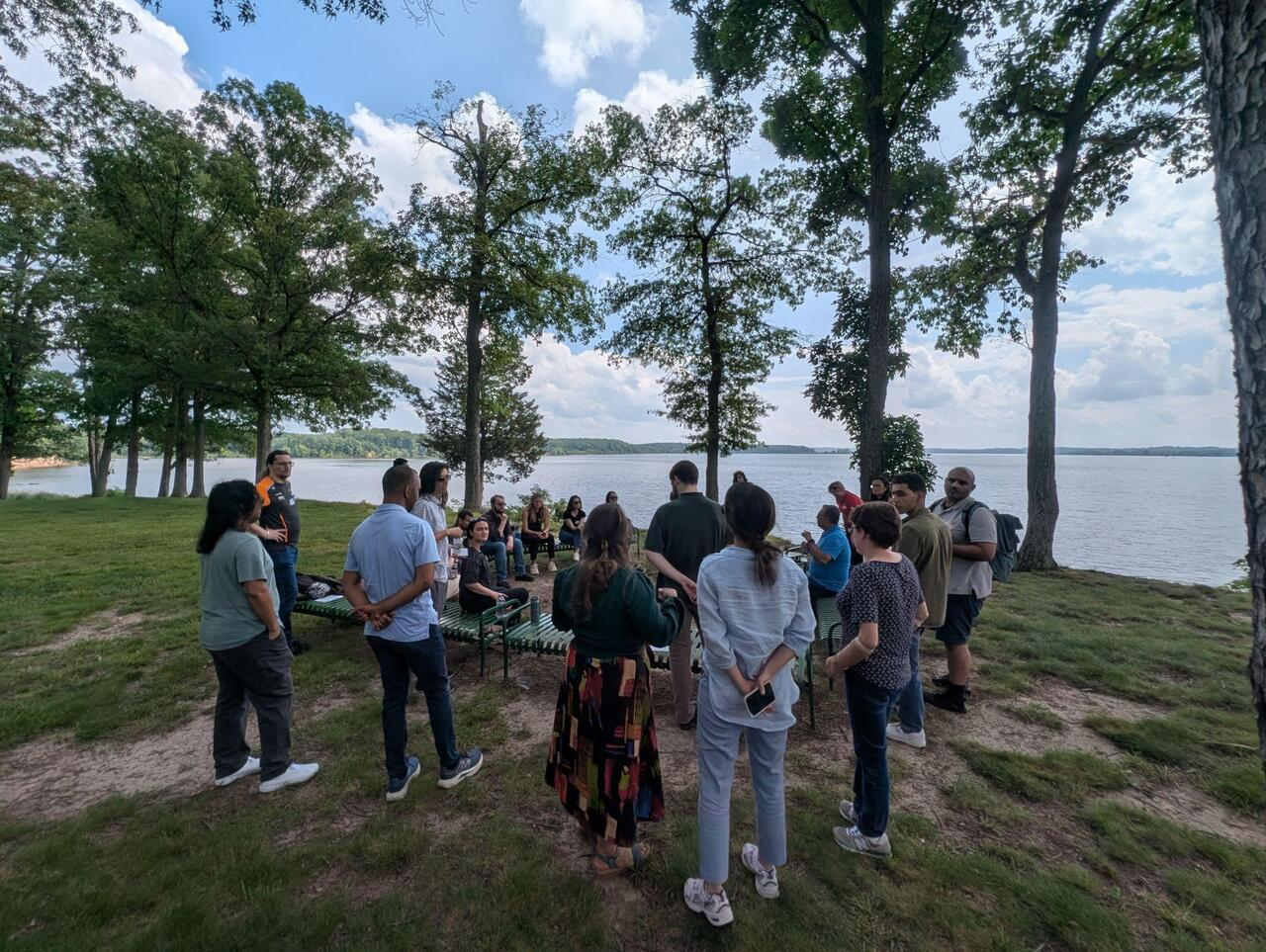
CASSBI Summer Retreat

CASSBI held a center retreat in June to share with students and faculty members works-in-progress since the center’s rechartering and kick-off meeting. We spent the beautiful day outdoors at George Mason University’s Point of View park. We are excited to share all of CASSBI’s current and upcoming projects soon.

Shout out to our leadership team: Siddhartha Sikdar, Parag Chitnis, Samuel Acuña, Jenny Mai Phan, Shanelle Highsmith, and Emily Gerson (student representative).